

Updated on: 2026-05-29
If you rely on mobile apps, streaming, or video calls, you need reliable connectivity. High-speed mobile data helps you load pages faster and keep tasks running smoothly. But real-world performance depends on signal quality, plan type, and network coverage. This guide explains how to improve speed, reduce lag, and choose the right option for your trips or daily use.
Table of Contents
What Is High-Speed Mobile Data?
High-speed mobile data is the ability for your phone to send and receive data quickly over a cellular network. When it is working well, you notice faster page loads, smoother map updates, quicker downloads, and fewer pauses during video. Many people want this for work, school, travel, and everyday entertainment. Even the best phone can feel slow if the connection is weak or the data path is inefficient.
It also helps to understand what “high-speed” means in practice. Mobile data speed depends on multiple factors at the same time. These include network type, tower distance, local congestion, device capabilities, and your settings. That is why two people in the same city may experience different results.
How It Works in Real Life
Mobile networks move data using radio signals between your device and nearby cell towers. When the network is busy, speeds can drop. When signal strength is strong, speeds can rise. Modern networks use newer standards that can deliver faster performance and lower latency, which is the delay before data starts moving.
Your device matters, too. If your phone supports newer network technologies, it can take advantage of faster links when they are available. If it does not, you may still get service, but at lower speeds. In addition, your phone’s background activity can use bandwidth, especially when updates, backups, or cloud sync run at the same time.
Internal tip: For consistent travel connectivity concepts, you can explore UbeSIM connectivity solutions and learn how data planning works.
How-To Steps
Use these practical steps to improve high-speed mobile data performance. Start with the easiest checks, then move toward plan and network choices.
-
Check your signal and location. Move closer to open space, windows, or higher floors. If your signal bars change a lot, your speed will likely change too.
-
Switch network mode if needed. If your phone supports multiple options (such as 4G or 5G), try toggling. Sometimes a different mode locks you onto a better tower or carrier path.
-
Restart data services. Toggle Airplane Mode for a short moment, then turn it off. This can refresh your connection without rebooting the whole phone.
-
Limit heavy background usage. Pause large downloads, photo backups, and video uploads while you need speed for calls or work.
-
Use the right app settings. Some apps have “low data” or “adaptive” modes. For video, choosing a moderate quality level can reduce buffering.
-
Prefer wired-like Wi-Fi when it exists. If you are in a place with stable Wi-Fi, use it for large tasks. Reserve mobile data for mobility and outside coverage areas.
-
Choose a plan that fits your usage. Look at how much data you need and where you need it. For travel, you may benefit from a setup designed for multiple destinations.
-
Verify compatibility when using eSIM. Make sure your phone supports eSIM. Also confirm the region coverage you need before you travel.
Quick visual check

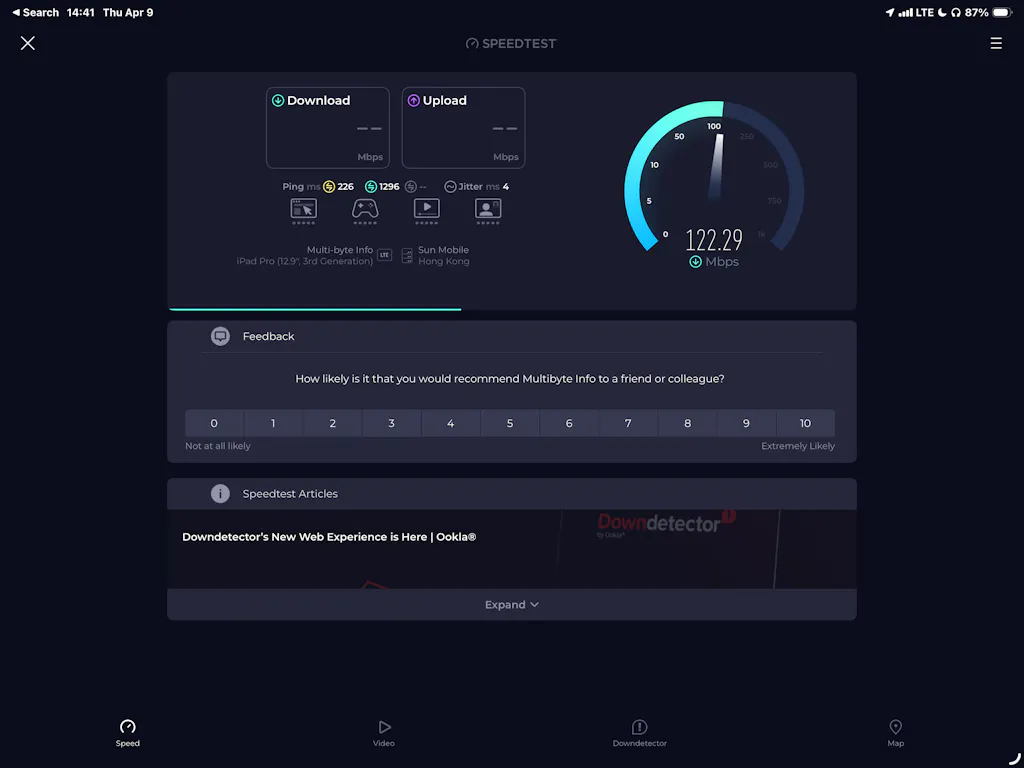
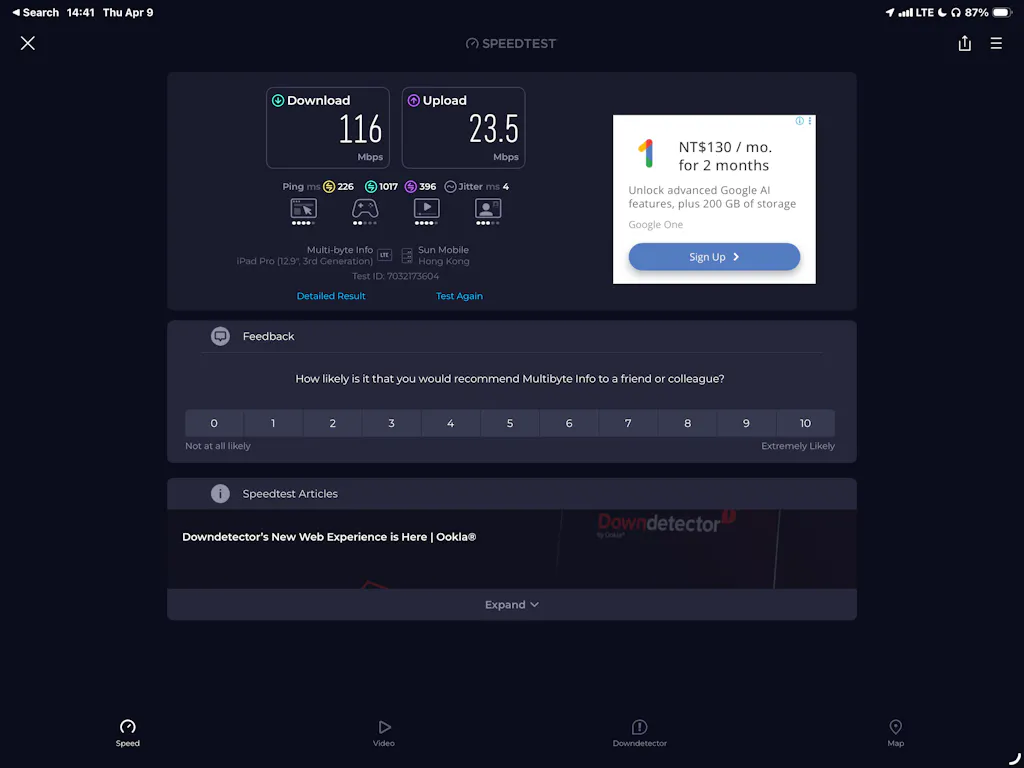
Signal bars, speed gauge, clean network icon
After you apply the steps above, test with one or two real tasks. For example, open a webpage, load a map, and start one video stream. Compare the results before you change anything else.
Best Use Cases for Faster Mobile Speeds
High-speed mobile data shines when timing matters. If you do not need speed, you may not notice improvements. But if you do, fast data makes daily life feel smoother. Here are common scenarios where faster connectivity is especially helpful.
-
Video calls and voice communication. Less delay can help your conversation feel natural.
-
Navigation and ride services. Map tiles and route updates load faster when data moves quickly.
-
Live updates for work. Cloud tools, messaging, and file previews often feel more responsive.
-
Streaming and gaming. Stable speed reduces buffering and helps keep gameplay responsive.
-
Photo and file sharing. Sending attachments or syncing media becomes less frustrating.
For many travelers, it is not only about speed. It is also about having dependable access when you land. That is where the right travel data choice can make a difference.
Troubleshooting: Fixing Slowdowns Quickly
Even when you follow best practices, you may still face slow moments. Use this checklist to identify what is causing the slowdown.
1) You have signal, but apps load slowly
Try restarting your connection (Airplane Mode toggle). Then check if one specific app is the problem. If only one app is slow, update it or review its network settings. Some apps also download large content in the background.
2) Speed drops in a specific place
This often happens due to local congestion or building interference. Move to a different area, step outside, or change floors. If the problem follows the location, it is usually network conditions rather than your device.
3) You see constant buffering in video
Lower the video quality for the session. Also check whether you are on a limited bandwidth setting. If possible, pause and restart playback after a short wait.
4) Data usage seems unusually high
Review which apps consume data most. Turn off auto-play, reduce sync frequency, and disable unnecessary background updates. High usage can crowd out the speed you need.
If you want an overview of how data packs work by region, you can review UbeSIM plans and coverage info for general guidance.
Why eSIM and Travel Data Choices Matter
When you travel, “high-speed mobile data” depends on the local carrier environment you connect to. Some options make setup simple and help you avoid the hassle of swapping physical SIM cards. An eSIM can be a practical way to activate data before or shortly after you arrive, depending on compatibility.
For example, if you are comparing connectivity needs for a destination, look for coverage that matches your itinerary and data volume that fits your usage style. If you stream a lot or work from your phone, plan for higher usage. If you mostly send messages and check maps, a smaller allowance may be enough.
Here is an example product you may consider for travel connectivity planning:
Own eSIM
For region-specific options, you can also explore these pages to understand how different areas may offer different connectivity styles: US data pack, Singapore data pack, and Japan data pack.
What to look for beyond speed
Speed is important, but choosing a plan also requires thinking about coverage and reliability. Ask these questions before you commit:
-
Coverage: Does the destination you care about have strong network support?
-
Data allowance: Does it match your typical usage? Streaming and uploads can change quickly.
-
Activation flow: Can you set it up smoothly on your timeline?
-
Device compatibility: Is your phone eSIM-capable and updated enough to install it?

World map, region markers, connection arrows, speed icons
Once you choose a plan, treat your settings like part of the setup. Keep your phone updated, manage background apps, and test speed in a few spots after activation. That combination often gives the best results.
FAQ
What affects high-speed mobile data the most?
The biggest factors are signal strength, network congestion, and the phone’s support for modern network standards. Your location also matters, since speed can vary between buildings and even floors.
Will a faster plan always give faster results?
Not always. A higher tier can help, but real speed still depends on coverage and how busy the local network is at that moment. Optimizing settings and reducing background downloads can also improve the experience.
How can I reduce buffering when using mobile data?
Try lowering video quality, closing bandwidth-heavy apps, and refreshing your data connection with an Airplane Mode toggle. If buffering persists only in one location, the issue is likely local network performance.
Closing Thoughts
High-speed mobile data can make your phone feel fast again, but it is not only about the plan. By checking signal, adjusting settings, managing background usage, and choosing coverage that fits your destination, you can reduce lag and improve reliability. Pick one or two steps today, test your results, then refine your plan choices for your next trip or busy workday. When connectivity feels steady, everything else feels easier.
About the Author
UbeSIM is a connectivity-focused brand that helps travelers and mobile users think clearly about data planning and setup. The author for this article has expertise in mobile data behavior, device compatibility basics, and practical travel connectivity guidance. Thanks for reading, and take a small step today to improve your mobile experience.
Disclaimer: This article is for general information only. Network performance can vary by location, device, and time. Always review the terms of your data plan and confirm device compatibility before purchase or activation.
The content in this blog post is intended for general information purposes only. It should not be considered as professional, medical, or legal advice. For specific guidance related to your situation, please consult a qualified professional. The store does not assume responsibility for any decisions made based on this information.
0 comments