

Updated on: 2026-05-30
You can stay online while traveling with global connectivity eSIM that activates on your phone.
With an eSIM, you often avoid the hassle of swapping physical SIM cards at the airport.
This guide explains how eSIMs work, what to check before purchase, and how to choose a plan.
You will also find practical tips for using data safely and avoiding common setup mistakes.
Table of Contents
What is global connectivity eSIM?
A global connectivity eSIM is a digital SIM profile stored on your device. Instead of using a physical card, your phone or tablet receives a plan through a setup flow. Once installed, you can use mobile data for calls, messaging apps, maps, and everyday browsing while you are away from home.
For many travelers, the biggest benefit is convenience. You can prepare before you leave, then connect when you arrive. This helps you avoid long lines and last-minute decisions. It also supports a more flexible travel routine, especially when your itinerary changes.
When you look at “global connectivity,” focus on where the network service is available. Some eSIM offers cover one country, while others support multiple destinations. Your best match depends on your route, your data needs, and how you will use data during the trip.
How global connectivity eSIM works
Understanding the basics can make setup easier. An eSIM is tied to your device and a carrier profile. The profile includes authentication details, so your phone can connect to the right mobile network when data is enabled.
In most cases, you will do these steps:
- Select a plan that matches your destination and usage style.
- Download the eSIM profile using a QR code or an activation flow in your phone.
- Enable mobile data for that profile and set it as your primary line when needed.
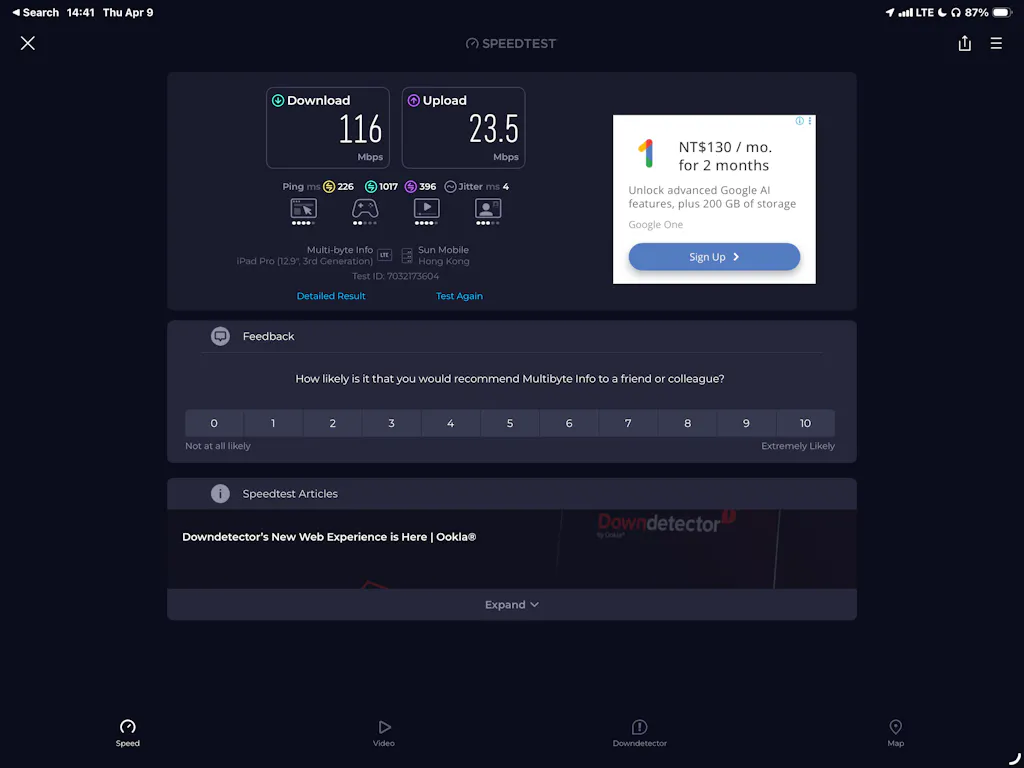
- Confirm the connection and test data speed with a short check.
UbeSIM travel eSIM guide can help you compare options and understand how activation typically feels on popular phone models.

Device setup icons and network signal visualization
How to choose a plan for global travel
Not every trip needs the same type of data package. Before you buy, think about how you will use your phone. For example, will you rely on maps for most of the day? Will you stream video during commuting hours? Or will you mainly use messaging and quick web searches?
Then match your needs to a plan. Here are practical ways to choose:
- Choose the right destination coverage: If you only visit one country, a single-country plan can be simpler. If you move across regions, look for options that align with each stop.
- Pick the right data size: If you want daily maps and frequent social app use, plan for more data. If your usage is lighter, a smaller bundle can be enough.
- Check validity and flexibility: Some plans focus on a set number of days. Others are designed for a specific travel window. Choose what fits your schedule.
- Look at network compatibility: Your phone must support eSIM and the carrier profiles you use.
To browse region options, you can start with a country package page and then decide based on your itinerary. For instance, you may find a good fit by exploring a specific destination package from Egypt eSIM package if your trip includes the region.
If you travel often, unlimited-style plans can reduce stress. You can check available choices directly on the unlimited-style option category to see whether it matches your travel pattern.
How-To Activate and Set Up Your eSIM
Setup usually takes only a few minutes, but the steps matter. Follow this sequence for a smooth start with your global connectivity eSIM.
- Confirm device support: Ensure your phone supports eSIM. Most modern unlocked models do, but older devices may not.
- Prepare with Wi-Fi: Connect to Wi-Fi before installing the profile. This avoids unstable data during setup.
- Open the eSIM activation flow: Use the QR code or activation instructions provided with your purchase.
- Add the eSIM profile: Your phone will ask for confirmation. Approve the installation and label the profile so it is easy to identify later.
- Enable the correct line for mobile data: In your phone settings, choose the eSIM profile for data. You may also switch voice lines if you use that feature.
- Turn on mobile data: Ensure data is enabled. Some phones also require “Data Roaming” toggles depending on your model.
- Test right away: Open a web page or map app. If the connection is slow, toggle airplane mode on and off, then try again.
- Keep a backup: If you need reliable connectivity, write down your activation details so you can troubleshoot quickly.
If you want help choosing an approach for your destination, you can compare packages on US eSIM package and then repeat the same logic for other trips. The setup flow will feel similar across plans.
To make your first minutes easier, avoid relying on the eSIM for critical tasks like payment confirmations until you confirm stable data.
Tips for a smoother data experience
Once your eSIM is active, you can improve reliability with simple habits. Small changes often make a big difference, especially when you are in busy areas.
- Use offline options when possible: Download maps or transit info while on Wi-Fi.
- Adjust app behavior: Reduce background video autoplay and limit high-data apps.
- Check signal areas: If you enter a building with weak reception, step outside briefly to test.
- Use secure browsing: Prefer trusted sites and keep your device updates current.
- Monitor remaining data: Many phones show usage stats. Track it so you do not run out mid-trip.
For travelers who want reliable coverage, it helps to confirm which plan fits your route first. Then, setup your eSIM in advance. That way, you are ready when you land.

Checklist icons for installation, testing, and data tracking
Common mistakes to avoid
Even careful travelers can run into problems. The good news is that most issues have simple fixes.
- Buying the wrong destination coverage: Double-check whether the plan matches the country or region you will visit.
- Not enabling the eSIM for data: Your phone may have both SIM profiles active. Make sure the eSIM is selected for data.
- Trying to install without Wi-Fi: If your setup process needs downloads, Wi-Fi can reduce errors.
- Assuming the profile is active instantly: Give your phone a moment after switching settings, then test again.
- Forgetting to reboot after updates: If you recently updated your system, airplane mode reset can help.
- Overusing high-data apps: Streaming and large uploads can burn through data quickly.
By avoiding these patterns, you can keep your experience smooth and reduce the need for troubleshooting.
eSIM example for Egypt
If you travel to Egypt, you may prefer a dedicated plan for that destination. One clear example is an Egypt eSIM package designed for travelers who want mobile data without a physical SIM card.
Egypt eSIM

Explore the Egypt eSIM package
When you use an Egypt-focused plan, you can concentrate on one destination and align your data habits with your travel plan. Before you land, install and activate the profile following the steps above. Then test data right after arrival so you can use maps, transport apps, and messaging immediately.
If your itinerary also includes nearby stops, consider whether you need additional coverage or whether a broader package better fits your schedule. The key is choosing a plan that matches your route, not just your passport stamp.
For more destination comparisons, you can browse other packages on the site such as UAE eSIM or Japan eSIM and then apply the same setup checklist you used for Egypt.
FAQ
Is a global connectivity eSIM the same as roaming?
No. Roaming usually uses your home carrier’s network abroad. A global connectivity eSIM is a separate digital SIM profile installed on your device, often with destination-specific connectivity. That usually means a different setup flow and potentially more predictable data options for travel.
Do I need to unlock my phone?
In many cases, eSIM works on unlocked and compatible devices, but device requirements can vary. The safest approach is to check your phone model for eSIM support and verify compatibility with the eSIM profile you plan to install.
What should I do if my eSIM shows no data?
First, confirm that the eSIM profile is enabled for mobile data in your settings. Then toggle airplane mode on and off and restart your device if needed. Finally, try a quick test on a web page or map app. If it still fails, re-check that your plan matches the destination coverage.
Closing Thoughts
Global travel should feel simple, not stressful. A global connectivity eSIM can help you stay connected by removing the physical SIM card step and letting you activate when you are ready. If you choose the right plan, install the profile carefully, and test your connection early, you will be set for smooth maps, messaging, and everyday browsing.
Take one small action today: review your destinations, compare the matching eSIM options on UbeSIM, and plan your setup before you leave. Your future self will thank you.
About the Author
UbeSIM is a team with expertise in travel connectivity and eSIM setup guidance. They focus on helping travelers choose the right mobile data solution and understand activation steps clearly. Their goal is to make global connection feel easy and reliable. Thanks for reading, and enjoy your trip.
Disclaimer: This article is for general informational purposes only. Device capabilities, carrier availability, and activation steps can vary by model and destination. Always review the eSIM instructions provided with your purchase and follow your device’s settings guidance.
The content in this blog post is intended for general information purposes only. It should not be considered as professional, medical, or legal advice. For specific guidance related to your situation, please consult a qualified professional. The store does not assume responsibility for any decisions made based on this information.
0 comments