

Updated on: 2026-05-05
Reliable mobile data solutions help you stay connected for work, travel, and everyday tasks. The right plan and setup reduce drops, slow speeds, and unexpected costs. This guide shows how to choose coverage, data limits, and network compatibility. You will also find common questions answered so you can act with confidence.
Table of Contents
Introduction
Reliable mobile data solutions matter more than ever. When you rely on your phone for maps, messages, payments, or customer support, a weak connection can disrupt your day. Whether you travel, work remotely, or just want dependable backup data, the best setup is more than picking a cheap plan. It is about choosing coverage that matches where you will be, data that matches how you will use your phone, and a process that avoids surprises after activation.
In this guide, you will learn practical steps to pick a plan you can trust. You will also see how to compare common options like prepaid data and unlimited style packages. By the end, you will have a simple checklist for getting online quickly and staying online with confidence.
How-To Guide
Use this step-by-step process to select dependable connectivity and set up your data plan smoothly. The goal is to reduce risk and improve consistency before you depend on the connection.
Step 1: Match coverage to your real locations
Start with geography, not price. Write down where you need data most. For example, think about airports, city centers, hotels, suburbs, and routes between them. Then choose a plan that is known for coverage in those areas. If a plan covers many places but performs poorly where you spend time, it will feel unreliable.
Also consider indoor coverage. Many people assume service is equal everywhere, but signals can differ inside buildings. If you often work in offices, conferences, or apartments, prioritize solutions that support strong network access in both outdoor and indoor areas.

Map routes with signal icons and coverage rings
Step 2: Pick data type and amount that fits
Next, align your data allowance with your actual usage. Light users may only need messaging and basic browsing. Heavy users often need video calls, uploading files, cloud backups, or navigation plus social media. Do not underestimate background usage like app updates and cloud sync.
If your usage changes day to day, consider a plan style that offers flexibility. Many people prefer an option that matches their travel length and daily routine. If you need consistent usage without constant monitoring, choose a package designed for steady connectivity. If you only need data occasionally, a smaller allowance may be enough.
When you compare plans, look for clear limits, fair-use rules, and transparent terms. You should be able to predict cost and performance before you buy.
Step 3: Check device and network compatibility
Before you activate, confirm that your phone can use the type of SIM or data service you plan to install. Some phones support more bands than others. Even if a plan is valid, compatibility issues can cause slow data, unstable service, or a refusal to connect.
Also check whether your phone is unlocked. If your device is locked to a specific carrier, it may not accept a different SIM. If you are unsure, check your phone settings or contact your carrier for an unlocked status. This small step prevents the most frustrating setup failures.
Step 4: Plan for hotspots and roaming style use
If you use your phone as a hotspot for a laptop or tablet, plan that into your selection. Hotspot usage often increases data consumption and can stress network performance, especially when multiple devices connect.
Decide how many devices you will connect at once. Then estimate usage for each device type. For example, one laptop doing video calls may use more data than several phones loading messages. When you choose your plan, ensure it supports your expected hotspot intensity.
For travel scenarios, think about roaming style behavior as well. Your experience depends on where the network is strongest and how busy it is at the times you use it. You can reduce issues by testing early after arrival.
Step 5: Set up, test, and monitor early
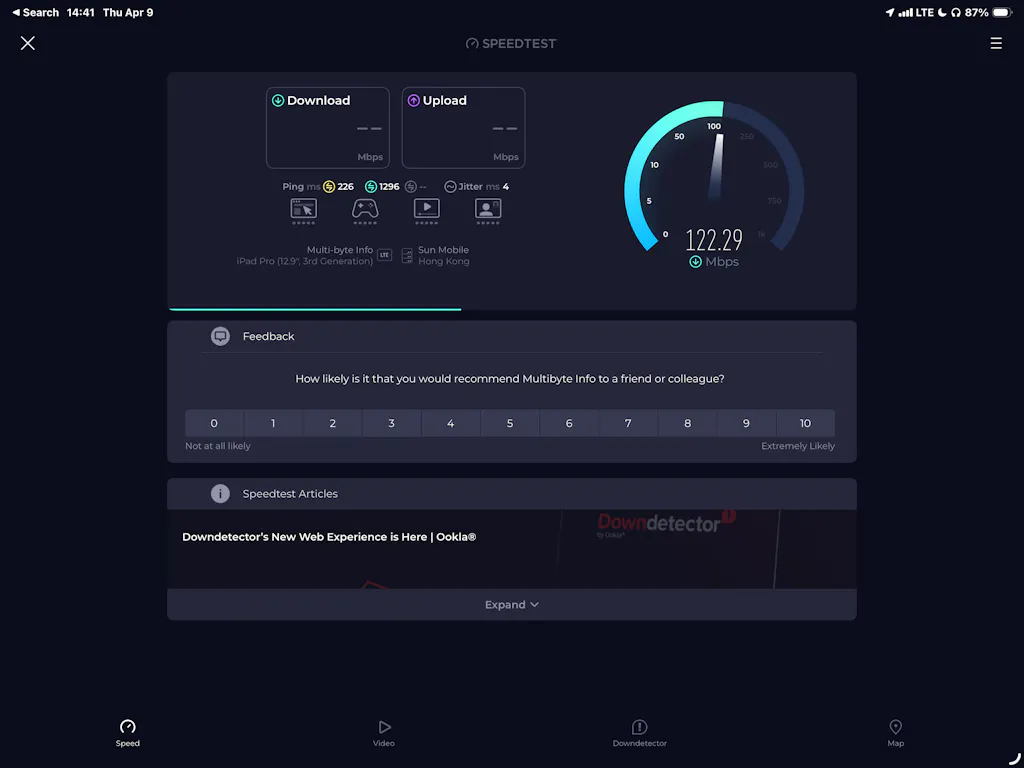
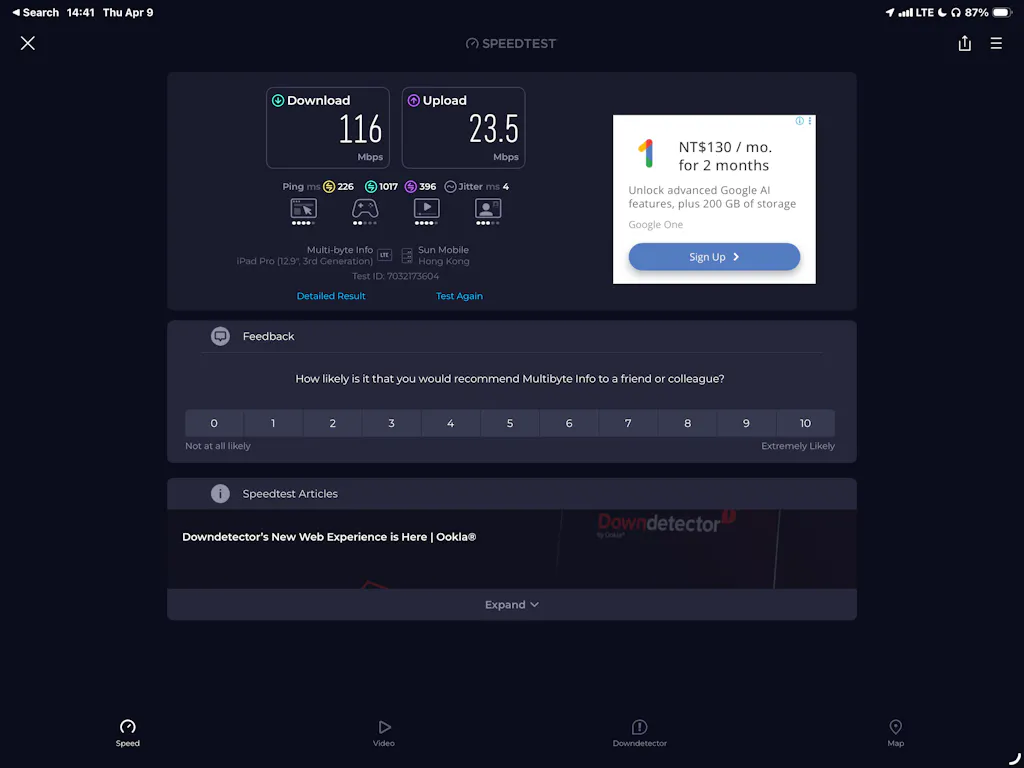
After purchase, set up as soon as you can. Insert the SIM or activate the plan, then run a quick test. Check signal bars, open a few websites, load maps, and send a message. If you rely on work, also try a call or a short video test to confirm stability.
Monitoring matters. If speed drops, switch locations, restart the connection, or try a different time of day. These actions help you separate plan performance from temporary local congestion.
Finally, keep track of your remaining allowance if the plan is limited. If the plan is unlimited style, still watch your experience because network conditions can change. You want to catch issues early instead of when you are already busy.
Common Questions Answered
How do I choose reliable mobile data solutions for travel?
Choose based on where you will be, not only where the plan says it works. Look for coverage in your route, consider indoor needs, and match your daily data usage to the plan allowance. Also confirm your phone is unlocked and compatible with the SIM type. If you want a simple way to start, compare region-specific options and choose a package that aligns with your destination.
What is the difference between prepaid data and unlimited style plans?
Prepaid data plans usually offer a defined allowance for a set time or amount. Unlimited style plans aim to remove the pressure of strict data caps, but they may still have reasonable use expectations depending on network conditions. If you stream a lot or need hotspot access, both types can work, but you should evaluate how you will use data and whether you want predictable limits or a steadier experience.
Will my phone work with a new data plan?
It will work if your phone is unlocked and supports the correct SIM format. Compatibility depends on device settings and network bands. Before you travel, confirm your phone model, check for SIM unlocking status, and ensure your device can connect to mobile data. If you are unsure, search your device specifications for unlocked support and supported network types.
What should I do if my connection feels slow?
First, check whether you are in a low-signal area. Move closer to a window or step outside. Restart the mobile data connection and try again. If you use a hotspot, reduce the number of connected devices and test on the main device directly. If the issue continues, it may be local network congestion, so testing at a different time can reveal whether the plan is performing as expected.

Speed gauge with location pins and reset arrows
Summary & Next Steps
Reliable mobile data solutions come down to five practical choices: match coverage to your locations, pick a data amount that fits your usage, confirm device compatibility, plan for hotspot needs, and test early. When you follow that process, you reduce stress and improve the chances of stable connectivity.
If you want to move fast, start by selecting a region-focused package and verify your device unlock status. Then set aside a few minutes after arrival to run a quick test. For region-specific starting points, you can explore options like a U.S. package, Singapore package, or Canada package:
- U.S. mobile data option
- Singapore mobile data option
- China mobile data option
- Japan mobile data option
Disclaimer: This article provides general guidance and does not guarantee any specific network speeds or availability. Results vary based on device settings, local network conditions, and coverage in your exact location.
Next, grab your travel details, decide your daily data needs, and choose a plan that matches them. You will be ready to connect quickly and stay productive.
About the Author
UbeSIM and mobile connectivity expertise
UbeSIM focuses on helping travelers and digital users find straightforward connectivity options. The author has experience working with data plan selection and practical setup guidance to support reliable online access across common travel and everyday scenarios. Thanks for reading, and we hope this guide helps you feel confident about your next connection choice. If you are ready to compare options, explore region-focused packages and pick the one that fits your plans.
The content in this blog post is intended for general information purposes only. It should not be considered as professional, medical, or legal advice. For specific guidance related to your situation, please consult a qualified professional. The store does not assume responsibility for any decisions made based on this information.
0 commenti