

Updated on: March 15, 2026
Traveling across multiple countries no longer requires juggling several SIM cards or facing expensive roaming charges. Multi-country eSIM solutions offer a seamless, digital alternative that keeps you connected worldwide. Learn how these innovative digital SIM cards work, their key advantages over traditional options, and why they are becoming the preferred choice for modern travelers and business professionals.
Table of Contents
- What Are Multi-Country eSIM Solutions?
- Common Challenges When Traveling Internationally
- Benefits and Comparison: eSIM vs. Traditional SIM Cards
- How Multi-Country eSIM Solutions Work
- Choosing the Right International Connectivity Solution
- Summary and Recommendations
- Frequently Asked Questions
What Are Multi-Country eSIM Solutions?
Multi-country eSIM solutions represent a modern approach to international mobile connectivity. An eSIM, or embedded SIM, is a digital SIM card that allows you to connect to cellular networks without inserting a physical card. Unlike traditional SIM cards, eSIM technology is built directly into your device's hardware, enabling you to switch between networks and plans instantly using just a few taps on your smartphone.
These solutions are specifically designed for travelers and professionals who need reliable connectivity across multiple nations. Instead of purchasing separate SIM cards for each country you visit, a single eSIM can provide access to local networks in dozens of destinations. This approach eliminates the hassle of finding local carriers, dealing with language barriers, or paying premium roaming fees charged by your home network provider.
The digital nature of eSIM technology means you can activate plans remotely, manage multiple profiles simultaneously, and switch between them without any downtime. For business travelers, remote workers, and frequent explorers, this flexibility is transformative.

Digital connectivity across globe: smartphone, world map, interconnected network nodes
Common Challenges When Traveling Internationally
International travel presents several connectivity obstacles that many people face. When you cross borders, your home network's roaming rates can skyrocket, turning a simple text message or data check into an unexpectedly expensive transaction. Many carriers charge premium rates for international roaming, sometimes reaching several dollars per megabyte of data used abroad.
Finding reliable local SIM cards in unfamiliar countries can be time-consuming and frustrating. You may need to visit physical stores, provide identification documents, navigate language barriers, and wait for activation. This process diverts attention from enjoying your travels or focusing on business objectives.
Another significant challenge involves managing multiple SIM cards simultaneously. If you need to maintain connections in your home country while exploring elsewhere, you face the inconvenience of constantly switching physical cards. Many modern smartphones only accommodate one active SIM card at a time, forcing difficult choices between staying connected to home or accessing local services.
Security concerns also arise when using unfamiliar networks and temporary local SIM cards. You may worry about data privacy, fraudulent charges, or losing access to important accounts that use phone-based verification.
The Solution: Streamlined International Connectivity
Multi-country eSIM solutions directly address these pain points by offering instant activation, predictable pricing, and seamless switching between networks. You can activate service before arriving at your destination, maintain multiple active profiles simultaneously, and enjoy transparent, competitive rates without surprise charges. This approach transforms international travel from a connectivity nightmare into a straightforward, hassle-free experience.
Benefits and Comparison: eSIM vs. Traditional SIM Cards
| Feature | Multi-Country eSIM | Traditional SIM Cards |
|---|---|---|
| Activation Speed | Instant, digital activation from anywhere | Requires physical store visit or wait time |
| Multiple Profiles | Manage several active plans simultaneously | One card at a time; switching requires removal |
| Pricing Transparency | Clear, competitive international rates | Often unclear; roaming charges can surprise users |
| Environmental Impact | Digital only; no plastic waste | Physical cards generate plastic waste |
| Device Compatibility | Works with modern eSIM-enabled devices | Compatible with virtually all phones |
| Setup Complexity | Simple QR code or app-based installation | Straightforward but requires physical handling |
The comparison clearly demonstrates why international travelers increasingly prefer eSIM technology. While traditional SIM cards offer universal device compatibility, the convenience, speed, and flexibility of digital solutions outweigh this advantage for most modern users whose devices support the technology.
How Multi-Country eSIM Solutions Work
Understanding the mechanics of eSIM technology helps you make informed decisions about international connectivity. When you purchase a multi-country eSIM plan, you receive a QR code or activation link rather than a physical card. You simply scan the QR code using your smartphone, or open the activation link, and the eSIM profile downloads directly to your device's embedded SIM hardware.
Once activated, your device can maintain multiple eSIM profiles simultaneously. You can switch between profiles instantly without restarting your phone. If you're traveling between the United States, Japan, and Singapore, for example, you could activate profiles for each country and toggle between them based on your current location and needs.
The eSIM connects to local mobile networks in your destination country, providing local data rates and phone service. You maintain your primary phone number through options like call forwarding or dual connectivity features, depending on your provider and device capabilities.

eSIM activation process: QR code scan, digital download, network selection, instant connection
Billing happens through your account with the eSIM provider rather than through your home carrier. You control exactly how much data you purchase and only pay for what you use. Plans can range from daily passes for short trips to monthly packages for extended stays or frequent international travel.
Choosing the Right International Connectivity Solution
Selecting an appropriate multi-country eSIM provider involves evaluating several key factors. First, verify that your device supports eSIM technology. Most modern smartphones from major manufacturers now include eSIM capability, but it's wise to confirm before committing.
Examine the coverage maps offered by potential providers. Quality eSIM solutions should provide access to networks across the countries you plan to visit. Look for options that cover your specific destinations rather than generic worldwide coverage claims. For instance, if your travels focus on Asia-Pacific regions, explore providers that emphasize strong partnerships with carriers in that area.
Compare pricing structures carefully. Some providers offer daily passes ideal for brief visits, while others feature monthly or multi-country packages better suited for extended travel. Consider whether you need unlimited data or if capped plans reduce your costs. Check for any hidden fees, expiration policies, or restrictions on usage speeds.
Reading customer reviews provides valuable insights into real-world performance. Look for feedback specifically about connection quality, customer support responsiveness, and ease of activation in the regions you'll visit.
For travelers prioritizing Southeast Asia and surrounding regions, providers offering Thailand connectivity packages alongside Singapore plans provide convenient bundled options. Those exploring broader Asian markets might benefit from comprehensive solutions that include Japan service and China access.
Summary and Recommendations
Multi-country eSIM solutions have revolutionized international connectivity by eliminating the traditional barriers of roaming costs, multiple SIM card management, and activation delays. These digital solutions offer instant setup, transparent pricing, and the flexibility to manage multiple profiles simultaneously across different countries.
For anyone traveling internationally, whether for leisure or business, embracing eSIM technology represents a practical upgrade to how you stay connected. The advantages over traditional SIM cards—particularly regarding convenience and cost savings—make digital solutions the intelligent choice for modern travelers.
Before your next international journey, assess whether your device supports eSIM, research providers offering coverage in your destination countries, and compare pricing to find the plan matching your specific travel patterns. Making this switch will transform how you experience international connectivity.
Frequently Asked Questions
How do I know if my phone supports eSIM technology?
Most smartphones released in recent years support eSIM capability. Check your device manufacturer's specifications or contact your current carrier to confirm. Newer flagship models from major manufacturers, as well as many mid-range phones, include built-in eSIM support. If you're unsure, your phone's settings typically display eSIM options if the hardware supports it.
Can I keep my home phone number while using a multi-country eSIM abroad?
Yes, you can maintain your home number through various methods. Many eSIM providers offer call forwarding features, or you can keep your original SIM profile active alongside your eSIM plan. Some devices support dual SIM functionality, allowing you to use both your home and international profiles simultaneously without switching.
What happens to my data if I travel to a country without eSIM provider coverage?
If you enter a country without coverage from your eSIM provider, you'll lose cellular connectivity until you either travel to a covered location or activate an alternative solution. This is why reviewing coverage maps before traveling is essential. Consider purchasing a backup plan or researching local options for any destination outside your provider's network.
Are multi-country eSIM solutions more expensive than traditional roaming?
Generally, eSIM solutions offer significantly better value than international roaming charges from traditional carriers. While pricing varies by provider and plan type, dedicated eSIM packages typically cost less than roaming rates. Comparing specific plans for your destinations will reveal the cost difference in your situation.
How quickly can I activate a multi-country eSIM plan?
Most eSIM activations occur within minutes of scanning the QR code or opening your activation link. Many providers allow instant setup, sometimes before you even arrive at your destination. This speed represents one of the primary advantages over traditional SIM cards requiring physical procurement and manual activation.
Can I use multiple eSIM profiles in different countries simultaneously?
Your device can store multiple eSIM profiles and switch between them, but typically only one profile remains active at a time for calls and data. However, some modern devices with dual SIM capability can maintain two active profiles simultaneously, allowing you to use a local number while keeping your home connection accessible through call forwarding or other methods.
What should I do if my eSIM connection fails while traveling?
First, check that your eSIM profile is selected as your active SIM in your device settings. Restart your phone and ensure airplane mode is off. Check your plan's data allowance and verify you haven't exhausted your quota. Contact your eSIM provider's customer support immediately if problems persist—most offer twenty-four-hour assistance for travelers experiencing connectivity issues.
Is eSIM technology secure for conducting financial transactions abroad?
eSIM connections use the same security standards as traditional SIM-based networks. Your data passes through encrypted channels when using secure websites and apps. For maximum security while conducting financial transactions on international networks, use reputable banking apps with end-to-end encryption rather than public Wi-Fi networks, regardless of whether you're connected via eSIM or traditional SIM.
Do eSIM plans include international calling minutes?
This varies by provider and plan type. Some packages include calling allowances to specific countries, while others focus primarily on data connectivity. Review your plan details carefully to understand what calling features are included. Many eSIM plans work seamlessly with internet-based calling apps like WhatsApp, Skype, or Google Voice, providing economical calling alternatives.
Can businesses benefit from multi-country eSIM solutions for employee travel?
Absolutely. Businesses managing teams with frequent international travel benefit significantly from eSIM solutions. They simplify expense tracking through unified billing, ensure consistent employee connectivity across locations, and reduce administrative overhead associated with managing multiple SIM cards and roaming plans. Many eSIM providers offer corporate accounts with volume discounts and centralized management features.
What's the difference between eSIM and regular SIM cards in terms of durability?
eSIMs are more durable than physical SIM cards since they have no moving parts and don't require insertion or removal. They won't get lost, damaged, or worn from repeated handling. This durability advantage, combined with their digital nature, makes them ideal for frequent travelers and adventurers who need reliable connectivity in demanding conditions.
How does eSIM support work across different time zones?
Most reputable eSIM providers offer around-the-clock customer support accessible from anywhere globally. Whether you experience issues in your home time zone or while traveling across continents, support teams handle inquiries via phone, email, or in-app messaging. This availability ensures that travelers can resolve connectivity problems quickly regardless of local time.
Can I switch between eSIM plans mid-trip if my needs change?
Many providers allow plan modifications or upgrades while you're traveling. If you need additional data or want to extend your coverage period, you can often make changes directly through their app or website. Some providers even offer real-time plan switching, allowing you to activate new profiles without disrupting your existing connection.
What's the typical validity period for multi-country eSIM plans?
Validity periods vary significantly by provider and plan type. Daily passes typically last twenty-four hours from activation, weekly plans cover seven days, and monthly plans run thirty days. Some providers offer extended validity periods for annual subscribers. Always review your specific plan's terms to understand when your coverage expires and whether unused data rolls over.
How do multi-country eSIM solutions compare for business travelers versus leisure tourists?
Both groups benefit from eSIM solutions, but in different ways. Business travelers appreciate the reliability, professional support, and ability to maintain primary number accessibility while working internationally. Leisure tourists value the cost savings, simplicity of setup, and freedom from roaming surcharges that allow them to use data extensively for navigation and communication without anxiety about bills.
Are there any countries where eSIM technology isn't available or restricted?
While eSIM adoption is expanding globally, coverage varies. Some countries have limited eSIM provider partnerships or regulatory restrictions. Before traveling, verify that your chosen provider covers your destination countries. Researching this beforehand prevents arriving at your destination without connectivity options and forces you to scramble for alternative solutions.
Can eSIM profiles be transferred between devices?
Once an eSIM profile is assigned to a specific device, it generally cannot be transferred to another phone. However, you can deactivate it on one device and reactivate it on another if your provider supports this option. For traveling with multiple devices, some providers offer separate profiles, or you may need to purchase additional plans.
What environmental benefits do eSIM solutions provide?
eSIM technology eliminates the need for physical SIM card production, shipping, and packaging, significantly reducing plastic waste and carbon emissions associated with manufacturing and distributing traditional SIM cards. By choosing digital solutions, travelers contribute to environmental sustainability while enjoying superior convenience and cost savings.
How do payment methods work for multi-country eSIM plans?
Most providers accept major credit cards, digital wallets, and sometimes local payment methods. You can complete purchases online before traveling or activate plans while abroad. Setup is straightforward—select your desired plan, provide payment information, receive your activation details, and scan the QR code to activate service on your device.
Is customer support available in multiple languages for international users?
Leading eSIM providers recognize their international customer base and typically offer multilingual support. Check whether your chosen provider supports your language before committing. Having support available in your preferred language proves invaluable when troubleshooting connectivity issues while navigating unfamiliar countries.
Can I combine eSIM with my existing cellular plan rather than replacing it?
Yes, eSIM can supplement rather than replace your existing plan. You can maintain your home carrier's SIM while adding an international eSIM profile. Depending on your device, you may use one at a time or keep both active simultaneously. This flexibility allows you to enjoy local data rates abroad while maintaining your home connection.
What data speeds should I expect when using a multi-country eSIM?
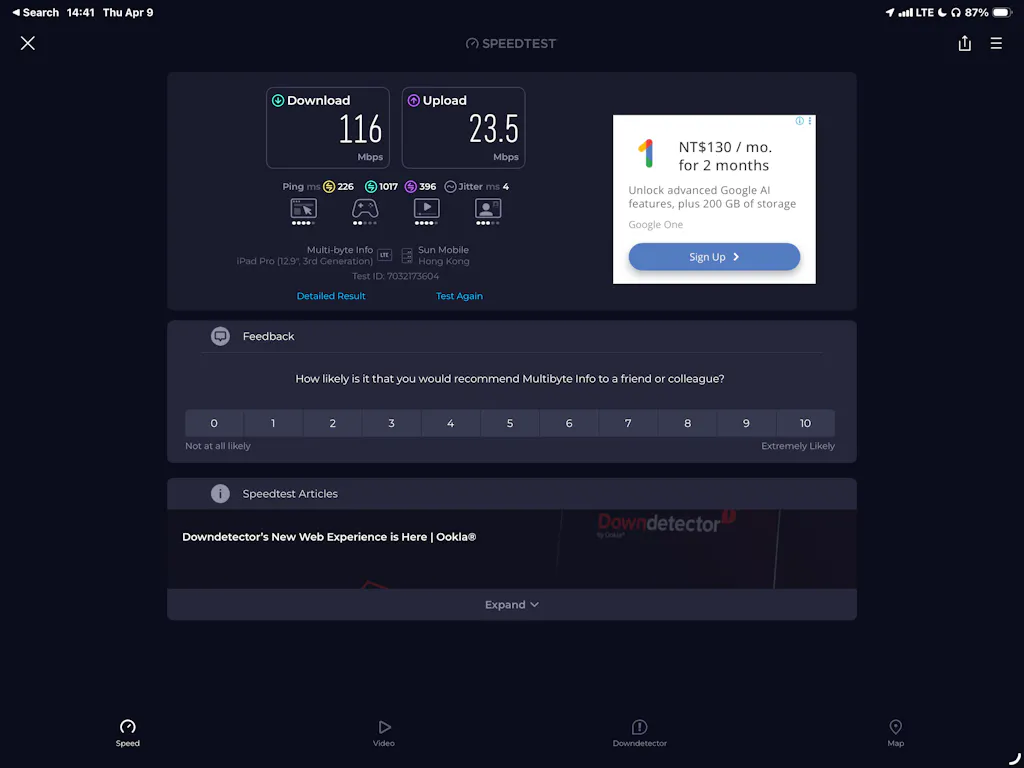
Speeds depend on the local networks you connect to through your provider's partnerships. Most eSIM solutions provide 4G LTE or better speeds where available, matching what you'd experience with local physical SIM cards. In remote areas, speeds may be slower, but urban and suburban coverage typically delivers modern mobile internet performance.
How do multi-country eSIM solutions handle text message and call functionality?
eSIM plans vary in their inclusion of calling and texting minutes. Some focus primarily on data connectivity, while others include both. For calling and messaging, many travelers use internet-based services like WhatsApp, iMessage, or Telegram, which work efficiently on eSIM data plans and often prove more economical than traditional phone services.
Do eSIM providers offer refunds or credits for unused data or plans?
Refund and credit policies vary significantly among providers. Some offer unused data rollover options, while others maintain strict no-refund policies. Review your provider's terms and conditions carefully before purchasing. Understanding these policies helps you choose plans matching your travel patterns and avoiding wasted expenses.
How far in advance should I purchase a multi-country eSIM plan before traveling?
One of eSIM's greatest advantages is that activation is instantaneous. You can purchase and activate your plan minutes before departure or even after arriving at your destination. However, activating before travel ensures you have connectivity immediately upon landing, which proves convenient for navigation and communication. Most providers recommend activating at least one day before departure.
Can I use a multi-country eSIM for international business meetings and professional calls?
Yes, eSIM plans support professional use cases perfectly. You can maintain your business communication through your eSIM plan, use local numbers for business meetings, or keep your home number accessible through call forwarding. Many business travelers specifically choose eSIM solutions because they provide the reliability and flexibility required for professional international operations.
How do eSIM solutions handle roaming between multiple countries during a single trip?
Multi-country eSIM plans are specifically designed for multi-destination travel. As you move between countries, your device automatically connects to partner networks in each location. You don't need to switch plans or profiles unless you want to activate different coverage options. This seamless roaming across multiple destinations represents one of eSIM's defining advantages.
What happens to my eSIM profile if my device is lost or stolen while traveling?
Contact your eSIM provider immediately to deactivate the profile. Most providers can remotely disable stolen profiles within hours. Once deactivated, the profile becomes unusable, protecting you from unauthorized charges. You can then reactivate the same profile on a replacement device or purchase a new plan. Having your provider's support contact information documented before traveling proves invaluable in this scenario.
Are there specific eSIM providers known for excellent coverage in particular regions?
Different providers partner with different carriers, resulting in varied coverage across regions. Research providers specializing in your destination regions before committing. For Asia-Pacific travel, some providers offer particularly strong coverage. Reviewing provider partnerships with major carriers in your destination countries ensures you select the best option for your specific itinerary.
Can students and budget-conscious travelers benefit from multi-country eSIM solutions?
Absolutely. Budget travelers particularly benefit from eSIM's transparent pricing and ability to purchase only needed data. Students studying abroad appreciate the flexibility, cost savings compared to roaming, and seamless connectivity supporting both academic and social needs. For anyone traveling on a budget, eSIM solutions provide excellent value compared to traditional options.
How do eSIM plans handle data-intensive activities like video streaming while traveling?
Your eSIM plan's data allowance applies to all activities including video streaming. If your plan includes substantial data, streaming is feasible. For data-intensive activities, consider plans with larger data allowances or unlimited options. Streaming videos extensively will consume your data quota quickly, so calculate your typical usage patterns when selecting appropriate plan sizes.
Do military or government personnel face any restrictions using eSIM technology?
Some governments and military organizations maintain specific telecommunications requirements for personnel. If you fall into this category, consult your organization's communications policies before using eSIM solutions. Generally, eSIM technology poses no security concerns beyond those present with traditional mobile networks, but organizational policies may require verification.
What's the typical process for troubleshooting eSIM connectivity issues?
Start by verifying your eSIM profile is selected as your primary SIM in device settings. Restart your device and ensure airplane mode is off. Check that your plan hasn't expired and you haven't exhausted data allowances. If issues persist, contact your provider's support team with specific error messages and location information. Most providers resolve common issues within twenty-four hours.
How do seasonal variations affect eSIM coverage in certain destinations?
Network coverage generally remains consistent year-round in most destinations. However, extreme weather conditions in remote areas might occasionally affect service. Urban and suburban coverage remains reliable regardless of season. If traveling to remote locations during extreme weather seasons, research local network reliability beforehand. Your eSIM provider's coverage information typically accounts for such variations.
Can I purchase eSIM plans for family members or travel companions?
Yes, most providers allow you to purchase multiple plans, either for yourself to use on different devices or to give to travel companions. Each plan generates separate activation details, and multiple family members or traveling companions can activate their own profiles simultaneously. This approach simplifies group travel connectivity coordination.
How do multi-country eSIM solutions integrate with travel insurance and emergency services?
eSIM connectivity doesn't affect your ability to contact emergency services. In most countries, you can reach emergency numbers even without an active plan. Having continuous connectivity through eSIM actually enhances emergency preparedness by ensuring you can always communicate when needed. Check that your travel insurance provider accepts communication through eSIM connections for emergencies.
What percentage of global mobile users currently use eSIM technology?
eSIM adoption is growing rapidly, with significant penetration in developed markets and increasing adoption in developing nations. As device manufacturers include eSIM support in more models and carriers expand eSIM partnerships, adoption rates continue accelerating. The technology represents the future of mobile connectivity, with adoption expected to grow substantially over coming years.
How do eSIM plans compare in price to traditional roaming for various trip durations?
For most trip durations, eSIM plans offer better value than traditional roaming. Day-long trips benefit from daily passes, week-long vacations use weekly plans, and longer stays employ monthly packages. Comparing specific providers' pricing to your home carrier's roaming rates typically reveals significant savings with eSIM solutions. Calculate your own costs based on typical usage patterns.
Can eSIM technology be used for Internet of Things (IoT) and connected devices beyond smartphones?
Yes, eSIM technology extends beyond phones to tablets, smartwatches, and various IoT devices. While smartphone eSIM solutions dominate consumer market discussion, eSIM capability in other connected devices continues expanding. Business applications involving multiple connected devices benefit particularly from eSIM technology's flexibility and centralized management capabilities.
What future developments are expected for multi-country eSIM solutions?
eSIM technology continues evolving with improvements in coverage expansion, pricing optimization, and device compatibility. Expect increasing integration with travel platforms, potentially offering bundled eSIM plans with hotel and transportation bookings. As 5G networks expand globally, eSIM solutions will deliver even faster connectivity. Regulatory harmonization across countries should further simplify international eSIM usage.
How should I prepare my device before activating a multi-country eSIM?
Ensure your device supports eSIM by checking manufacturer specifications. Update your device to the latest software version for optimal compatibility. Verify that your primary carrier's SIM profile is properly set up before adding eSIM. Have your Wi-Fi connection available for downloading the eSIM profile if you're activating before arrival. Keep your payment information ready for quick activation.
Are there any tax or customs considerations for purchasing eSIM plans internationally?
eSIM plans purchased digitally are generally not subject to customs restrictions. Tax treatment varies by jurisdiction but typically follows digital service regulations in your country. When purchasing international eSIM plans, you'll usually pay in the currency of the provider's home country. Review your local tax regulations if purchasing for business purposes to ensure proper documentation.
How does eSIM technology impact mobile network infrastructure and coverage expansion?
eSIM adoption encourages network operators to expand coverage and partnerships since they can reach customers digitally without maintaining physical SIM card distribution networks. This can accelerate coverage expansion in underserved regions. Operators benefit from reduced physical infrastructure costs, allowing investment in network
The content in this blog post is intended for general information purposes only. It should not be considered as professional, medical, or legal advice. For specific guidance related to your situation, please consult a qualified professional. The store does not assume responsibility for any decisions made based on this information.
0 تعليقات