

Updated on: April 7, 2026
Traveling across North America no longer means dealing with expensive roaming charges or hunting for WiFi hotspots. A North America eSIM service offers seamless connectivity across the United States, Canada, and Mexico through a digital SIM card. Learn how this technology works, its advantages and disadvantages, and how to choose the right option for your travel needs.
Table of Contents
- Advantages and Disadvantages of North America eSIM Service
- How Does This Technology Work?
- Step-by-Step Setup Guide
- Comparing Popular Providers
- Wrap-Up and Recommendations
- Frequently Asked Questions
- About the Author
Introduction
Staying connected while traveling across North America doesn't require the hassle of swapping physical SIM cards or paying exorbitant roaming fees. A North America eSIM service revolutionizes mobile connectivity by providing instant access to local networks across multiple countries through a single digital solution. Whether you're a frequent business traveler, digital nomad, or vacation explorer, understanding how eSIM technology works helps you make informed decisions that save money and time. This guide explores everything you need to know about selecting and using an eSIM for seamless North American travel.
Advantages and Disadvantages of North America eSIM Service
Advantages:
- Instant Activation: No waiting for physical card delivery. Activate your plan within minutes through a simple QR code or app.
- Multiple Plan Options: Choose from data-only plans, voice and text combinations, or unlimited packages based on your usage needs.
- Cost Savings: Avoid expensive international roaming charges by using local rates in each country you visit.
- Easy Switching: Switch between providers or plans without replacing your SIM card, offering maximum flexibility.
- Dual SIM Capability: Keep your home number active while using the eSIM for local connectivity.
- Wide Coverage: Access reliable networks from major carriers across the United States, Canada, and Mexico.
Disadvantages:
- Device Compatibility: Your phone must support eSIM technology, limiting options for older devices.
- Setup Requirements: Requires smartphone access and a working internet connection for initial activation.
- Limited Customer Support: Some providers offer minimal phone support for troubleshooting issues.
- Data Speeds Vary: Connection speed depends on the underlying carrier and your current location.
- Plan Limitations: Some plans may include data throttling after reaching specific usage thresholds.

Global connectivity across three nations with seamless digital activation and instant network access.
How Does This Technology Work?
An eSIM, or embedded SIM, is a digital version of a traditional SIM card built directly into your device's hardware. Unlike physical SIM cards, eSIMs store subscriber information digitally, allowing you to switch providers or activate plans remotely. When you purchase a service plan, you receive a QR code or access credentials. Scan the code or enter the details into your phone's settings, and your device automatically connects to partner networks in your destination country.
The technology works by downloading your carrier profile to your device's secure storage. Your phone can store multiple eSIM profiles simultaneously, meaning you can maintain your home network connection while using a local plan for data. When you travel, your device intelligently selects the appropriate network based on availability and your settings. This seamless switching happens without requiring any manual intervention from you.
Compatibility varies by device. Most modern iPhones, Samsung Galaxy phones, Google Pixel devices, and newer tablets support eSIM technology. Check your manufacturer's specifications before purchasing a plan. Once your device is compatible and your eSIM is activated, you're ready to enjoy uninterrupted connectivity throughout North America.
Step-by-Step Setup Guide
Step One: Verify Device Compatibility
Before purchasing any plan, confirm your phone supports eSIM technology. Visit your device manufacturer's website or check your phone's settings. Look for "Cellular Plans," "Mobile Plans," or "eSIM" options in your settings menu. If these options appear, your device is ready.
Step Two: Choose Your Plan
Select a plan that matches your travel duration and data needs. Consider whether you need voice calling, text messaging, or data-only connectivity. Monthly plans work best for extended stays, while short-term packages suit brief vacations. United States regional packages and Mexico coverage options provide reliable connectivity across popular destinations.
Step Three: Purchase and Receive QR Code
Complete your purchase through your chosen provider's website or mobile app. You'll immediately receive a QR code via email or within the app. Save this code safely, as you'll need it for activation.
Step Four: Prepare Your Device
Before activating your eSIM, ensure your device has at least fifty percent battery remaining. Connect to a reliable WiFi network, as you'll need internet access during activation. If possible, disable airplane mode and ensure your current SIM remains active until the eSIM is fully installed.
Step Five: Scan and Install
Open your phone's cellular or mobile settings and look for "Add Cellular Plan" or "Add eSIM" options. Select "Scan QR Code" and point your camera at your activation code. Your device will automatically download and install the eSIM profile.
Step Six: Activate and Test
After installation, enable the eSIM in your cellular settings. Most devices allow you to choose which SIM to use for calls, messages, and data. Send a test message or open a web page to verify connectivity. Congratulations, you're now connected across North America.

Simple smartphone display showing network activation confirmation with regional carrier logo.
Comparing Popular Providers
Numerous providers offer eSIM services across North America, each with distinct strengths. Evaluating coverage maps, customer reviews, and price structures helps identify the best fit for your specific travel needs.
Some companies specialize in multi-country packages, perfect for travelers visiting multiple nations. Others focus exclusively on single-country plans with competitive pricing and extensive coverage. Data rollover policies, customer service availability, and refund options vary significantly between providers.
When comparing options, check whether plans include voice calling minutes, as some providers offer data-only solutions. Review network partner information to confirm coverage in your specific travel routes. Unlimited data plans suit heavy users, while budget-friendly packages work for light browsing and messaging needs.
Wrap-Up and Recommendations
A North America eSIM service transforms how travelers stay connected across the United States, Canada, and Mexico. By understanding the technology, weighing advantages against limitations, and following a straightforward setup process, you can enjoy reliable, affordable connectivity without the complications of traditional roaming.
For optimal results, purchase your plan at least two days before travel to allow time for any setup questions. Choose a provider with strong coverage in your specific destinations and customer support that matches your preferred communication style. Keep your activation credentials safe and backed up in case you need to reinstall your profile.
Most importantly, test your connection before relying on it for navigation, communication, or work purposes. This small step prevents unexpected connectivity issues in unfamiliar locations. With these practices in place, you're ready to explore North America confidently and stay connected throughout your journey.
Frequently Asked Questions
Can I use an eSIM while keeping my home phone number active?
Yes, most modern devices support dual SIM capability, allowing you to maintain your home SIM while using an eSIM. You can configure which SIM handles calls, messages, and data, or designate one for each function. This flexibility lets you receive important calls from home while enjoying local data rates.
What happens if I lose my phone after activating an eSIM?
Contact your provider immediately to report the issue. Most providers can disable your eSIM remotely to prevent unauthorized use. Keep your activation credentials and purchase receipts for verification. You can typically reinstall your eSIM on a replacement device using your original QR code or account credentials.
Are eSIM plans more expensive than traditional roaming?
Generally, eSIM plans offer better value than international roaming charges from your home carrier. Dedicated eSIM providers focus on competitive pricing and transparent data usage, whereas traditional roaming often includes hidden fees and premium rates. Comparing specific plan costs reveals the savings available through dedicated regional connectivity solutions.
How long does eSIM activation typically take?
Most eSIMs activate within minutes after scanning the QR code and confirming the installation. Some providers require additional verification steps that may take a few hours. To avoid delays during travel, activate your eSIM while still connected to your home network.
Can I switch eSIM plans while traveling in North America?
Many providers allow plan changes through their mobile app or website while you're traveling. However, switching may require WiFi or a temporary interruption to your data service. Plan your switches during times when continuous connectivity isn't critical.
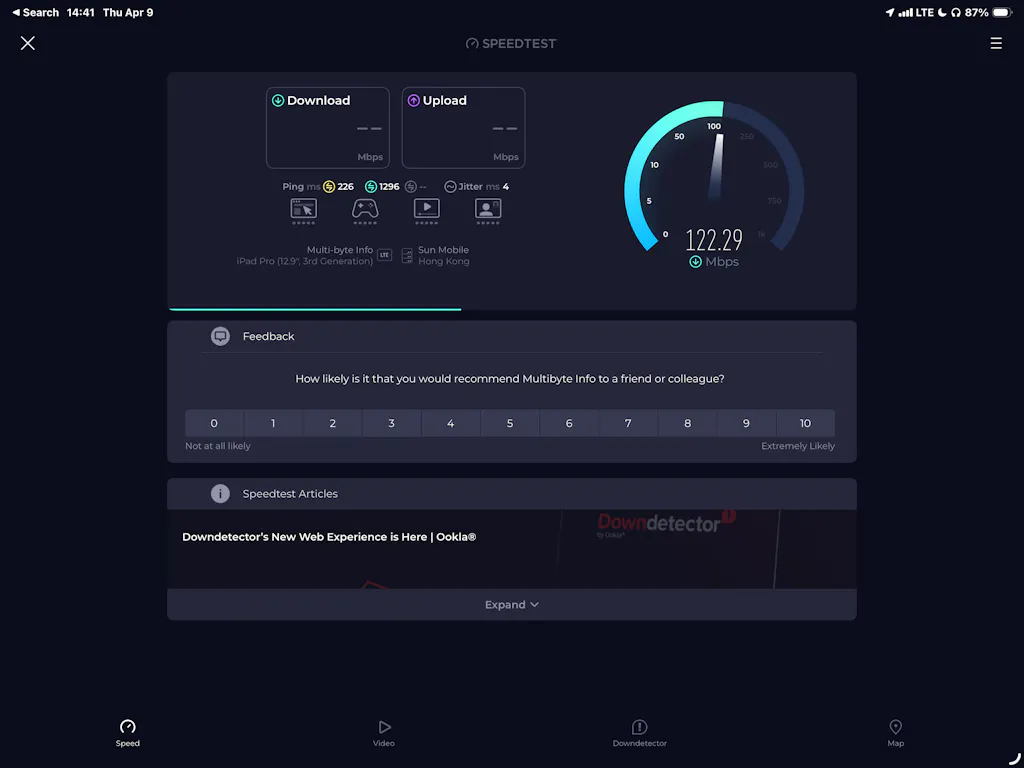
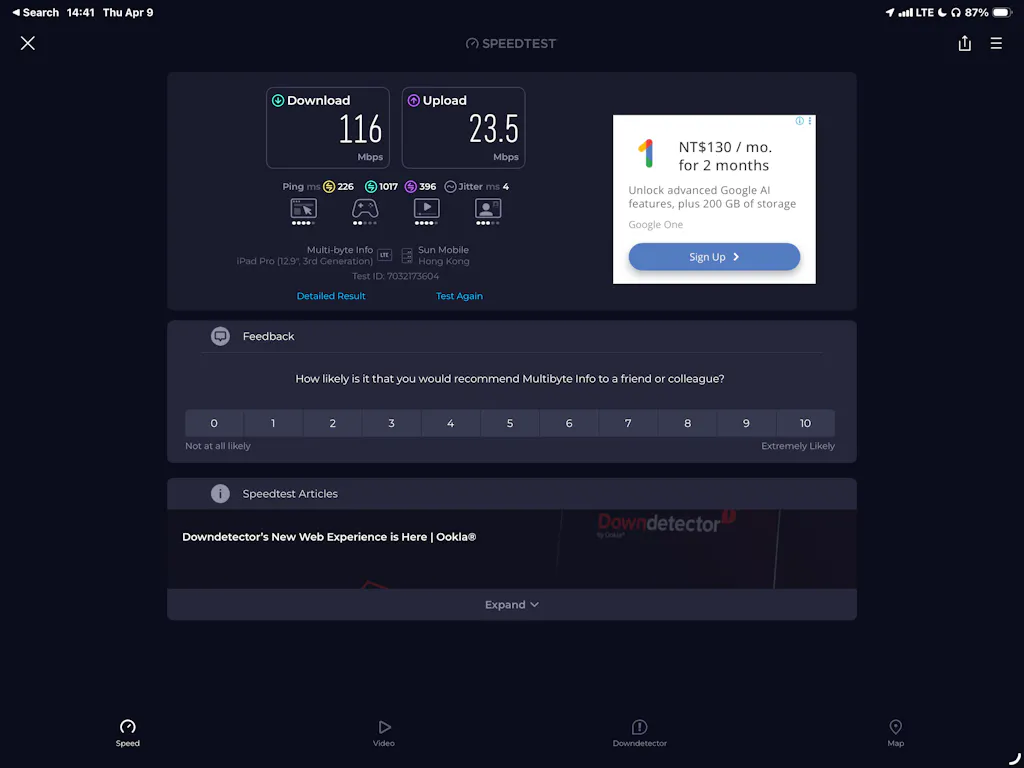
What internet speed can I expect with an eSIM?
Speeds depend on the underlying carrier's network infrastructure and your distance from cell towers. Most eSIM connections support standard 4G speeds sufficient for web browsing, messaging, and video streaming. Heavy users may experience slower speeds during peak hours or in remote areas.
Do I need to purchase a new eSIM for each country?
No, many providers offer multi-country packages covering multiple destinations under one plan. However, some providers focus on single-country solutions at competitive rates. Review plan details before purchasing to confirm coverage areas.
What should I do if my eSIM isn't connecting?
First, restart your device and ensure airplane mode is disabled. Verify that you've selected the correct eSIM in your cellular settings. Check that your plan hasn't expired or exceeded data limits. If issues persist, contact your provider's support team with your account details.
Can I share my eSIM data plan with other devices?
Sharing an eSIM across multiple devices isn't directly supported, as each eSIM profile is tied to a specific device. However, you can enable personal hotspot on your phone to share the connection with other devices. Be aware that tethering may consume data faster than direct connections.
Are there any security concerns with eSIMs?
eSIM technology is generally secure, using encrypted connections to download and store carrier information. Your eSIM profile requires authentication before reinstallation on different devices. Maintain your account credentials securely and avoid sharing your activation QR code with unauthorized individuals.
Which payment methods do eSIM providers accept?
Most providers accept major credit cards, debit cards, and digital wallets. Some also support regional payment methods specific to North American users. Review payment options during checkout to select your preferred method.
Can businesses purchase eSIM plans for their traveling employees?
Yes, many providers offer business accounts with bulk purchasing options and centralized management. This allows companies to provision multiple eSIMs with consistent plans and billing. Contact providers directly to explore enterprise solutions and volume pricing.
What happens when my eSIM plan expires?
When your plan expires, your eSIM becomes inactive, and your device returns to using your primary SIM if available. You can purchase a new plan and reinstall a fresh eSIM on the same device. Some providers offer plan renewal options directly through their app.
Is technical support available during odd hours or weekends?
Support availability varies by provider. Some offer twenty-four-seven customer support via chat, email, or phone, while others maintain standard business hours. Check support hours before purchasing if you anticipate needing assistance during your travels.
Can I use an eSIM in Canada and Mexico with the same plan?
Multi-country eSIM plans cover multiple North American nations under a single subscription. Single-country plans require separate purchases for each destination. Review plan coverage maps to confirm which countries are included in your selected package.
How do I know if my current phone plan will affect my eSIM connectivity?
Your eSIM operates independently from your home phone plan, using the local carrier's network in your destination. Your home carrier won't charge international roaming fees when you use a dedicated eSIM. However, ensure your phone supports dual SIM capability if you want to maintain both simultaneously.
What's the difference between prepaid and postpaid eSIM plans?
Prepaid plans require upfront payment and work for a specific duration or until data runs out. Postpaid plans charge monthly and require account setup. For travel, prepaid eSIM plans offer simplicity and cost predictability without long-term commitments.
Can I cancel an eSIM plan early if my travel plans change?
Cancellation policies vary by provider. Many prepaid plans don't allow refunds after purchase, while others offer refund windows within specific timeframes. Review cancellation policies before purchasing to understand your options.
Are there any usage restrictions or fair use policies?
Some providers implement fair use policies limiting streaming or specific data activities on certain plans. Read terms and conditions carefully to understand any restrictions. Unlimited plans typically have fewer restrictions but may cost more.
How do I monitor my data usage while traveling?
Most providers offer mobile apps displaying real-time data consumption. You can also check usage in your phone's cellular settings under the eSIM profile. Set data warnings in your device settings to receive alerts approaching your limit.
What if I travel between the United States, Canada, and Mexico on the same trip?
Purchase a multi-country plan covering all three destinations, or buy individual country plans for each leg of your journey. Multi-country eSIMs simplify management, while separate plans may offer cost savings if you're spending minimal time in specific countries.
Do eSIM plans include emergency calling capabilities?
Emergency calling to local numbers like 911 in the United States or 911 in Canada is typically supported even on eSIM plans. However, international emergency roaming to your home country usually isn't included. Verify emergency service availability with your provider before traveling.
About the Author
I'm a telecommunications and travel connectivity specialist with over seven years of experience helping international travelers navigate mobile solutions across North America and beyond. At UbeSIM, I'm passionate about demystifying eSIM technology and empowering travelers with practical knowledge to stay connected affordably and reliably. My expertise spans eSIM providers, coverage comparisons, and hands-on setup guidance that transforms complex technology into simple, actionable steps. I hope this guide helps you discover the freedom and convenience that modern eSIM services bring to your North American adventures.
0 تعليقات