

Updated on: February 18, 2026
Staying connected while traveling internationally has never been easier. Learn how eSIM for global connectivity transforms the way you use your mobile device abroad, eliminating roaming charges and simplifying international communication. Discover why millions of travelers now choose digital SIM solutions over traditional physical cards, and explore the practical benefits that make worldwide connectivity seamless and affordable.
Table of Contents
- Did You Know?
- Expert Tips
- Personal Anecdote
- How eSIM Technology Works
- Benefits of Global Connectivity Solutions
- Choosing the Right Provider
- Summary and Takeaways
- Questions and Answers
Why Global Mobile Connectivity Matters More Than Ever
Traveling internationally has become a fundamental part of modern life, whether for business, leisure, or adventure. However, one challenge has persistently frustrated travelers: staying connected without facing astronomical phone bills. eSIM for global connectivity represents a revolutionary solution that addresses this problem head-on. Unlike traditional SIM cards that require physical replacement at each destination, digital SIM technology allows you to switch between carriers instantly through your device settings. This innovation has transformed how millions of people communicate across borders, making international travel more accessible and affordable than ever before.
The rise of digital SIM adoption reflects a broader shift toward convenience and flexibility in telecommunications. Modern travelers no longer need to visit local stores, purchase physical SIM cards, or deal with complicated activation processes. Instead, they can download a digital profile to their compatible device and immediately access local rates in their destination country. This seamless transition between networks represents a fundamental change in how we think about international connectivity.
Did You Know?
- More than one billion mobile devices worldwide now support embedded SIM technology
- Travelers using digital SIM solutions save an average of sixty to eighty percent compared to traditional roaming charges
- Over one hundred and ninety countries currently offer digital SIM coverage worldwide
- Digital SIM activation takes less than five minutes in most cases
- Major smartphone manufacturers including Apple, Samsung, and Google have integrated eSIM support into all flagship models since 2020
- Business travelers report increased productivity when freed from communication anxiety during international trips
Expert Tips for Maximizing Your Global Connectivity Experience
- Plan Ahead: Download your digital SIM profile before traveling to avoid connectivity gaps at arrival
- Check Compatibility: Verify that your device supports this technology before purchasing a plan, as older models may require updates
- Compare Coverage Maps: Research network coverage in specific areas you plan to visit, as coverage varies by region and carrier
- Purchase Backup Data: Consider purchasing extra data allowance for unexpected needs during your journey
- Keep Your Original Plan: Maintain your home country SIM profile active for emergencies and verification purposes
- Monitor Data Usage: Track your consumption regularly to avoid unexpected overage charges
- Test Connectivity Early: Confirm your connection works immediately after arrival so you can address issues while still at the airport

Smartphone displaying international network selection, globe icon, and wireless signal indicator representing global mobile access.
A Traveler's Journey: From Roaming Anxiety to Digital Freedom
Last summer, I embarked on a three-month backpacking adventure across Southeast Asia. Before leaving, I had always relied on expensive roaming plans that limited my communication and drained my travel budget faster than I anticipated. Friends constantly warned me about excessive charges, sharing horror stories of thousand-dollar phone bills from casual internet browsing abroad. The anxiety of staying connected while managing costs overshadowed my excitement about exploring new destinations.
Everything changed when I discovered digital SIM technology before my trip. I activated a plan for Thailand, and the experience was transformative. Within minutes of landing in Bangkok, I had a local number with affordable data rates that cost a fraction of my home country's roaming charges. Throughout my journey across Thailand, Vietnam, and Indonesia, I simply switched profiles at each border without visiting a single mobile shop or dealing with complicated paperwork. I stayed effortlessly connected with family back home, shared real-time experiences on social media, and even managed a freelance project without worrying about communication costs. This single technology change made me a more confident, connected, and budget-conscious traveler. Today, I would never travel internationally without this solution.
How eSIM Technology Works
Understanding the mechanics of digital SIM technology helps you appreciate its revolutionary impact. Unlike traditional physical SIM cards that contain a small chip with encrypted information, embedded SIM functionality is built directly into your device's hardware. A special secure element stores the digital profile information that identifies you to cellular networks.
The activation process begins when you purchase a plan from a service provider. Instead of receiving a physical card, you receive a QR code or activation link. Scanning this code in your device's settings downloads the carrier's digital profile to your phone. Your device can store multiple profiles simultaneously, allowing you to switch between them instantly without removing anything or visiting a service center. This flexibility makes managing international connectivity incredibly straightforward.
Network operators manage and update your plan through secure remote mechanisms, enabling seamless transitions between carriers and real-time plan modifications. You can upgrade your data allowance, extend your plan duration, or switch providers entirely through simple app interfaces. This level of control and flexibility simply wasn't possible with physical SIM cards, which required physical replacement and often involved waiting periods and compatibility issues.

Digital device screen showing profile switching interface, network options, and plan activation confirmation steps.
Benefits of Embracing Global Connectivity Solutions
The advantages of digital SIM technology extend far beyond simple convenience. Cost savings represent the most immediate benefit—travelers consistently report reducing their international communication expenses by sixty to eighty percent compared to traditional roaming. Instead of paying premium rates to your home carrier for international usage, you access local rates in your destination country. A gigabyte of data that might cost thirty dollars through home roaming could cost just three to five dollars through a local digital SIM provider.
Flexibility and control represent another significant advantage. You maintain complete autonomy over which carrier to use in each country, allowing you to select providers based on coverage, speed, customer service, and pricing. You can switch between multiple profiles on a single device, keeping your home number active while using a local number for your destination. This dual-connectivity approach ensures you never miss important calls while maximizing local communication benefits.
Environmental benefits often get overlooked but shouldn't be ignored. Digital SIM solutions eliminate the plastic waste associated with traditional SIM card production and distribution. Millions of travelers avoiding plastic card purchases annually represents a meaningful contribution to environmental sustainability.
Security represents another compelling advantage. Digital profiles are more difficult to compromise than physical cards, and remote management capabilities allow providers to protect your information through constantly updated security measures. You can remotely deactivate profiles if your device is lost or stolen, protecting your identity and preventing unauthorized usage.
Selecting the Perfect Global Connectivity Provider
Choosing the right service provider requires considering several important factors. Coverage should be your primary consideration—verify that your chosen provider offers reliable service in every country on your itinerary. Most reputable providers maintain detailed coverage maps showing network availability by region and city.
Data allowances and pricing structures vary significantly between providers. Some offer fixed monthly plans with specific data allocations, while others provide pay-as-you-go options that charge based on actual usage. Consider your typical usage patterns to determine which approach offers better value. Frequent video callers need more generous data allocations than users primarily sending messages and email.
Customer support quality matters significantly when you're traveling and encountering unexpected issues. Choose providers offering twenty-four-hour support through multiple channels including chat, email, and phone. Time zone differences shouldn't prevent you from accessing assistance when problems arise.
For travelers heading to specific regions, consider exploring Thailand connectivity options, Japan coverage plans, or Singapore packages. For broader Asian coverage, Indonesia travel packages provide excellent connectivity across the region.
Summary and Actionable Takeaways
Digital SIM technology has fundamentally transformed international travel by eliminating the traditional barriers to affordable global connectivity. Whether you're a business traveler managing tight schedules, a digital nomad working across time zones, or a leisure traveler exploring new destinations, this solution adapts to your needs seamlessly. The technology delivers immediate, measurable benefits through cost reduction, increased flexibility, and enhanced security compared to traditional alternatives.
Your action items are straightforward: first, verify that your device supports this technology by checking your manufacturer's specifications. Second, research providers offering coverage in your intended destinations and compare their pricing and coverage maps. Third, purchase an appropriate plan well before your departure date. Finally, activate your profile before traveling so you arrive at your destination already connected.
Frequently Asked Questions
What devices support eSIM for global connectivity?
Most modern smartphones and tablets manufactured after 2018 include embedded SIM support. This includes all recent Apple iPhones, Samsung Galaxy models, Google Pixel devices, and many other flagship and mid-range phones. Check your device's specifications or contact your manufacturer if you're uncertain about compatibility. Some carriers can also help verify whether your specific model supports this technology.
Can I use my home phone number while traveling internationally with a digital SIM?
Yes, this represents one of the key advantages of embedded SIM technology. Your device can store multiple profiles simultaneously, allowing you to maintain your home number for receiving important calls and messages while using a local number for everyday communications. This dual-profile capability ensures you never miss critical contacts while avoiding premium roaming charges.
What happens if my device is lost or stolen while traveling?
Modern digital SIM solutions include remote management capabilities that allow you to deactivate your profile immediately through your provider's app or website. Unlike physical SIM cards that require visiting a service center, you can protect your account and prevent unauthorized usage from anywhere with an internet connection. Contact your provider immediately to report the loss and request profile deactivation.
How long does activation typically take?
Most digital SIM profiles activate within five minutes of scanning your activation QR code. However, the process occasionally takes up to an hour in rare cases. Always activate your profile before traveling to avoid connectivity gaps upon arrival at your destination. Activation timing varies slightly between providers and network operators.
Are there any hidden costs or additional fees I should know about?
Reputable providers are transparent about all costs, displaying them clearly before purchase. However, carefully review the terms before committing to a plan. Some providers include additional features like international calling, while others charge extra. Always confirm whether taxes and fees are included in the advertised price.
Can I switch providers while traveling if I'm unsatisfied?
Yes, switching between providers is one of the greatest advantages of this technology. Since your device stores multiple profiles, you can simply activate a new provider's profile while keeping your current one. This flexibility allows you to test different providers and switch if coverage, speed, or customer service don't meet your expectations.
What data speeds should I expect?
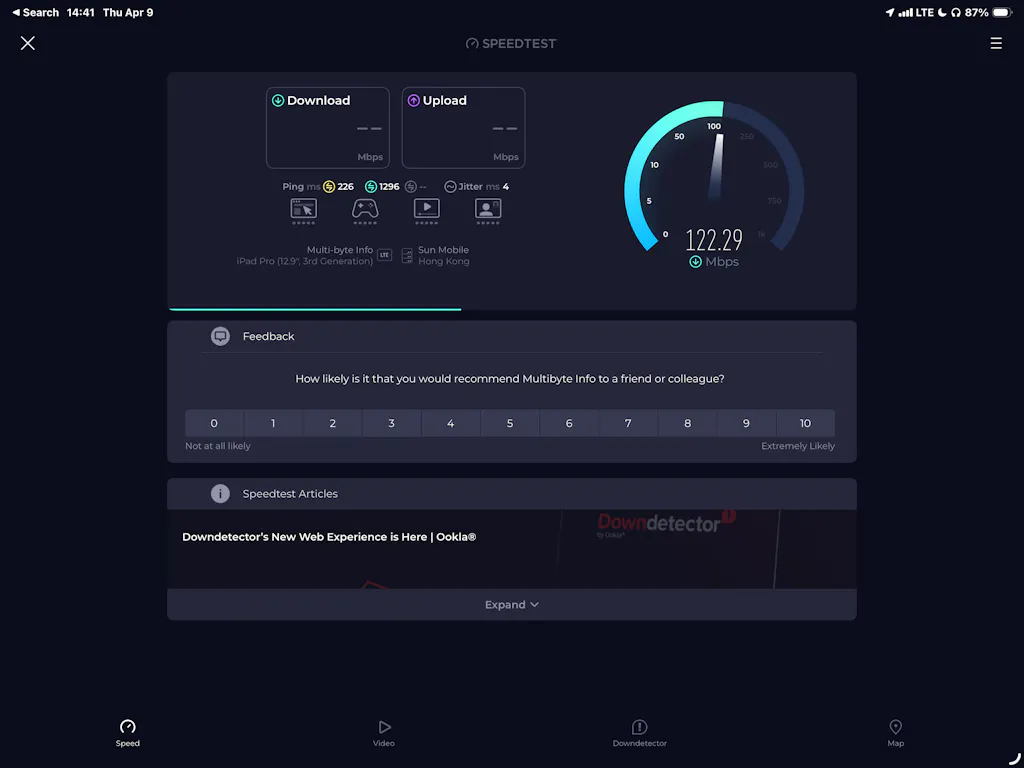
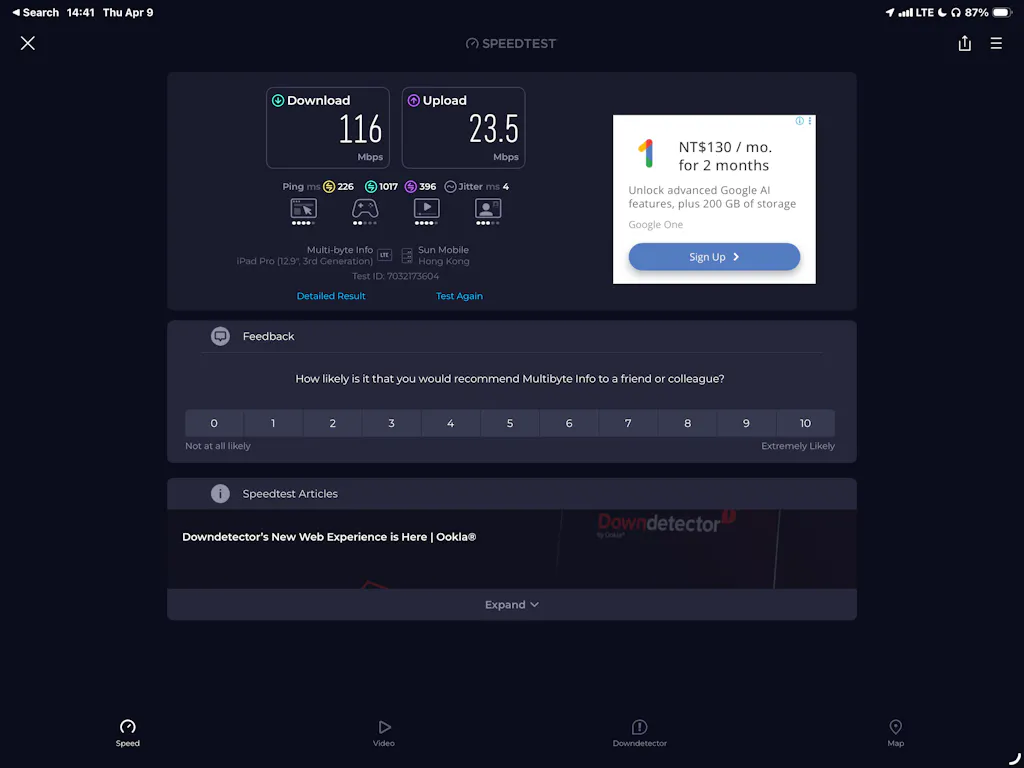
Data speeds typically match the network operator's standard speeds in each country. Most providers offer four-G LTE connections with speeds comparable to local customers of the same carrier. Speed varies based on network congestion, your location within the country, and the specific network operator you're using. Check provider specifications for typical speed ranges in your destination.
Is my data encrypted and secure on a digital SIM?
Yes, digital SIM solutions use modern encryption standards to protect your data and personal information. The technology includes multiple layers of security that actually exceed the protection offered by physical SIM cards. Providers continuously update security measures to protect against emerging threats, offering superior protection compared to static physical cards.
Can businesses use eSIM for global connectivity for their employees?
Absolutely. Many organizations now deploy digital SIM solutions for traveling employees to reduce communication costs and simplify international connectivity management. Business plans often include features like centralized billing, usage monitoring, and bulk purchasing options that provide additional value for corporate deployments. Contact providers about business-specific offerings.
What happens to my profile if I don't use it for an extended period?
Most providers allow profiles to remain inactive for specific periods, typically between three and six months, before automatic deactivation. Check your provider's specific policies regarding dormant accounts. You can usually reactivate inactive profiles by purchasing additional plan time, though some providers may require repurchasing the profile entirely. Keep this in mind if you travel infrequently.
Are there any countries where digital SIM isn't available?
While coverage has expanded dramatically, a small number of countries and regions still lack service. Some nations restrict the technology for regulatory reasons, while others simply haven't developed infrastructure to support it yet. Check your provider's coverage map before traveling to confirm service availability in your specific destination.
How do I avoid roaming charges when using multiple profiles?
Simply ensure you've activated your destination country profile before using data or making calls. Your device will default to using the active profile's coverage. If you need to access your home number, most devices allow you to receive calls and messages on both profiles simultaneously while controlling which one uses data. This prevents accidentally triggering expensive roaming charges.
Can I share my eSIM profile with family members?
No, profiles are tied to individual devices and cannot be shared. Each person traveling needs their own compatible device and profile. However, many providers offer family plans or group discounts for travelers purchasing multiple profiles simultaneously, providing cost savings when coordinating connectivity for travel companions.
What's the difference between eSIM and digital SIM?
These terms are used interchangeably in most contexts. Embedded SIM is the technical term for the hardware built into devices, while digital SIM refers to the downloadable profile and service model. Both terms describe the same technology and approach to cellular connectivity that eliminates physical SIM cards.
How much does a typical international connectivity plan cost?
Pricing varies based on data allowance, coverage region, and plan duration. Budget plans might cost five to ten dollars for limited data in a single country, while comprehensive plans offering generous data across multiple countries might range from twenty to fifty dollars monthly. Compare specific providers and plans for accurate pricing relevant to your travel needs.
Can I use eSIM technology on my smartwatch or tablet?
Many modern smartwatches and tablets support embedded SIM functionality, though compatibility varies by model. Check your device specifications before purchase. Tablets often support this technology, while smartwatch compatibility depends on whether your model includes cellular capabilities. Contact your device manufacturer if you're uncertain.
What should I do if my activation code expires before I use it?
Most providers allow you to request a new activation code at no additional charge if your original expires before use. Contact your provider's support team to request a replacement code. Expiration periods typically range from thirty to ninety days, providing ample time to activate your profile before traveling.
How does eSIM for global connectivity affect my international calling rates?
Using a local digital SIM profile in your destination country typically provides significantly lower international calling rates compared to roaming on your home carrier. You can make local calls at local rates rather than paying international premiums. However, calling back to your home country from a local profile may still involve international charges, though usually lower than standard roaming rates. Always review calling rates before purchase.
Can I maintain my home phone number while using eSIM internationally?
Yes, most devices with dual-profile capability allow you to receive calls and messages on both your home number and your destination number simultaneously. This ensures you never miss important communications while avoiding roaming charges for incoming traffic. Check your specific device capabilities and provider offerings regarding multi-profile operation.
What payment methods do eSIM providers typically accept?
Most reputable providers accept major credit cards, debit cards, digital wallets, and sometimes PayPal or local payment methods depending on your location. Payment processing is typically immediate, allowing instant profile activation upon successful transaction completion. Verify payment options before attempting to purchase if you have specific payment preferences.
Is it possible to upgrade my data allowance mid-plan if needed?
Yes, most modern providers allow you to purchase additional data blocks during your plan period through their mobile app or website. Upgrades typically activate immediately, allowing you to continue using your device without interruption. Pricing for additional data blocks is usually clearly displayed before purchase, with no hidden charges or commitments.
How do I troubleshoot connectivity issues with my eSIM profile?
Start by checking whether your profile is the active selection in your device settings. Toggle airplane mode off and on to reset your connection. If problems persist, restart your device and verify coverage in your current location using your provider's coverage map. Contact your provider's support team if technical issues continue—they can remotely diagnose and often resolve problems within minutes.
What happens to my plan if I cross multiple country borders during my trip?
Most regional plans provide coverage across multiple countries automatically, allowing seamless transitions at borders. You won't need to purchase new profiles for each country—simply cross the border and your device automatically connects to partner networks in the new country. Confirm your plan includes coverage in all destinations before purchase to avoid surprises.
Can I keep my eSIM profile active indefinitely?
Profiles remain active as long as you maintain an active plan with your provider. Once your plan expires, your profile becomes inactive but isn't permanently deleted for extended periods. You can typically reactivate your profile by purchasing additional plan time without needing to create a completely new account or profile, allowing you to maintain continuity across multiple trips.
Are there any age restrictions for purchasing eSIM services?
Age requirements vary by provider and region but typically follow standard telecommunications regulations. Most providers require you to be at least eighteen years old to purchase plans independently. Some providers offer family accounts allowing adults to manage plans for younger family members. Check your provider's specific policies regarding age restrictions.
How do I know which plan best suits my usage needs?
Evaluate your typical internet usage patterns: frequent video streaming requires significantly more data than email and messaging. Consider whether you need to make international calls or primarily use internet-based communication. Calculate your average monthly usage and add thirty percent as a buffer. Most providers allow you to purchase extra data if you underestimate, while unused data typically doesn't roll over to future months.
What are the environmental benefits of switching to eSIM technology?
Eliminating plastic SIM cards reduces physical waste significantly. Millions of travelers avoiding physical card purchases annually represents meaningful environmental impact through reduced plastic production, manufacturing emissions, and distribution-related carbon footprints. Digital SIM technology represents a more sustainable approach to global telecommunications infrastructure.
Can I use my existing phone number as my eSIM profile?
Generally, no—digital SIM profiles provide you with new local numbers in your destination country. However, some advanced providers offer number porting services allowing you to maintain your home number while traveling. These services typically cost extra and involve specific setup processes. If maintaining your home number is essential, inquire about this feature when comparing providers.
What should I do immediately after arriving at my destination?
Turn off airplane mode and verify that your destination profile is active in your settings. Check that you have a network signal and test connectivity by sending a message or performing a quick data transfer. Confirm your current balance or plan details through your provider's app. These quick checks ensure everything functions correctly before relying on your connection for important tasks.
How do I switch back to my home carrier profile when returning home?
Reactivate your home country profile in your device settings before arriving home or immediately upon arrival. Your device will then connect to your home carrier's network. Most devices make this process simple—just select your home profile from the settings menu. Your home carrier's service resumes immediately, and you can continue using your regular plan.
Are there any situations where traditional SIM cards remain preferable?
Older devices lacking embedded SIM support still require traditional cards, though this represents a shrinking segment of devices. Additionally, users needing to maintain multiple simultaneous connections in different countries might find traditional solutions useful, though this scenario applies to very few travelers. For modern device users, digital SIM solutions are superior in virtually all respects.
How secure is the activation process for eSIM profiles?
Activation processes use encrypted connections and multiple verification steps to ensure security. Providers typically verify your identity before allowing profile downloads, preventing unauthorized access to your account. The QR code approach used by most providers ensures that only authorized individuals with physical access to the code can complete activation, providing strong security.
What happens if I accidentally activate the wrong profile?
Simply select your intended profile from your device settings to switch. There are no consequences for activating incorrect profiles—you can switch instantly between profiles as many times as needed. Charges only apply when you actively use a profile for calls, messages, or data transfer. Accidental activation won't result in unexpected charges.
Can businesses and individuals use the same eSIM infrastructure?
Yes, the same technology infrastructure serves both business and personal users. Business plans typically offer additional features like centralized billing, usage monitoring, and dedicated support, but use identical underlying technology. Organizations can deploy this solution to their traveling employees using the same platforms available to individual users.
What's the typical lifespan of an eSIM profile?
Profiles remain active indefinitely as long as you maintain an active plan and the underlying technology functions normally. Since profiles are software-based rather than physical components, they don't degrade over time like traditional SIM cards. Your device's physical embedded SIM chip should function for the device's entire useful lifetime.
How do international calling rates compare between eSIM and traditional roaming?
International calling rates using a local digital SIM profile are typically lower than standard roaming rates from your home carrier. However, calling your home country from a local profile still involves international charges, though usually significantly reduced compared to roaming expenses. Always review international calling rates before purchasing if you plan to call home frequently.
Can I cancel my eSIM plan before it expires?
Most providers allow plan cancellation, though refund policies vary. Some offer refunds for unused portions, while others provide non-refundable plans. Always review the cancellation policy before purchase. Plans canceled before expiration typically allow continued use until the expiration date, though this varies by provider. Contact support for specific refund policies.
Is it possible to have multiple active eSIM profiles simultaneously?
Yes, many modern devices support multiple active profiles, allowing you to receive calls and messages on both your home number and a destination number simultaneously. Only one profile can transmit data at any given time, but incoming communications work on all active profiles. This dual-profile approach provides maximum flexibility while traveling.
What happens if my eSIM provider goes out of business?
Partner network providers typically continue service even if the reseller goes out of business. Your access continues through the underlying carrier's network with potentially modified plan terms. This situation rarely occurs with established providers, but it's another reason to choose reputable companies with strong financial backing and extensive networks.
How do eSIM plans handle data throttling after exceeding limits?
Policies vary between providers. Some completely cut off data access after exceeding limits until you purchase more data. Others throttle speeds to slower rates while allowing continued access. Many offer automatic overage protection. Carefully review your provider's data limit policies before purchase to avoid surprises about how excess usage is handled.
Can I use eSIM technology on a secondary device while traveling?
Yes, if your secondary device supports embedded SIM functionality, you can activate a separate profile on it. This allows having independent connectivity on multiple devices simultaneously. Each device needs its own profile, and costs multiply accordingly, but this approach provides ultimate flexibility for travelers carrying multiple gadgets.
What technical support resources do eSIM providers offer?
Most providers offer support through mobile apps with live chat, email support, and often phone support. Many maintain detailed knowledge bases with troubleshooting guides and frequently asked question sections. Premium support options are sometimes available for business users. Evaluate support availability and responsiveness when comparing providers, as quick resolution of problems matters when traveling.
How do eSIM solutions handle roaming within your chosen country?
Most eSIM plans work throughout your selected country using partner network coverage. You won't incur additional roaming charges when moving between cities or regions within the same country. However, some plans may have restrictions in remote areas with limited network coverage. Check your provider's detailed coverage information for specific regional limitations.
Is video calling data usage different on eSIM compared to traditional SIM?
Data consumption rates for video calling are identical regardless of whether you use an eSIM or traditional SIM—the underlying network technology and video compression standards remain the same. Video quality and data usage depend on your device and network speed, not your SIM type. Expect typical video calls to consume between one and five megabytes per minute depending on resolution settings.
What happens when you have both eSIM and physical SIM in dual-SIM devices?
Devices supporting both eSIM and physical SIM functionality can maintain active connections on both simultaneously. You can receive calls and messages on both numbers, though typically only one can transmit data at a time. This flexibility allows international travelers to maintain their home connection while adding a local number for their destination, maximizing connectivity options.
How do eSIM providers verify your identity before activation?
Verification typically involves confirming your email address or phone number, with some providers requiring additional identity verification through document uploads or third-party services. These security measures prevent unauthorized account access and fraud. The verification process usually completes quickly, often within minutes, allowing rapid plan activation.
What's the fastest way to get connected with eSIM upon arrival?
Activate your profile before leaving your origin country so you're connected immediately upon arrival. If you haven't preactivated, scan your activation QR code as soon as you reach the airport using airport WiFi. This approach ensures connectivity for transportation arrangements and communication without experiencing any connection delay upon landing.
Are there any compatibility issues between eSIM and specific phone operating systems?
Modern operating systems including iOS, Android, and others fully support eSIM technology. Compatibility depends primarily on your device model and age rather than operating system version. Older devices predating eSIM implementation obviously won't support it, but essentially all devices released within the last five to six years include this functionality. Check your specific device model if you're uncertain.
How do I monitor my data usage to avoid exceeding my plan limit?
Most providers include usage monitoring within their mobile apps, showing real-time data consumption and remaining balance. Your device also tracks data usage through its native settings. Many providers send usage alerts when approaching your limit. Regularly check these tools during your trip to stay within your plan and avoi
The content in this blog post is intended for general information purposes only. It should not be considered as professional, medical, or legal advice. For specific guidance related to your situation, please consult a qualified professional. The store does not assume responsibility for any decisions made based on this information.
0 تعليقات