

Updated on: 2026-04-23
If you work remotely, staying online matters. This guide explains how eSIMs for remote work can help you connect quickly without swapping physical SIM cards. You will learn what to look for in a data plan, how to set up your eSIM before you travel, and how to troubleshoot common issues. You will also get practical recommendations for choosing the right country coverage and data amount.
Table of Contents
Introduction
Remote work can turn any trip into a productivity test. Your calendar may be packed, your team may expect fast replies, and video calls may not wait. That is why many professionals now choose eSIMs for remote work. An eSIM is a digital SIM profile that lets your phone connect to mobile data without removing a physical SIM card. With the right plan, you can land in a new location and get online fast, often with simple setup steps.
This article is built for real life. You will learn how eSIM plans work, how to compare coverage and pricing, and how to build a simple connection plan for workdays. You will also find tips to reduce downtime during travel, including what to test before you leave.
If you want to browse options, you can explore data and roaming bundles at UbeSIM. The goal is not just connection. The goal is reliable connection for daily work tasks such as email, chat apps, cloud documents, and video meetings.
Product Spotlight
When you need eSIM convenience, start by choosing a plan that matches your travel pattern. If you often travel for work across one region, a single-country package can be the simplest choice. If you move through multiple countries in one trip, a bundled travel offering may reduce complexity because you handle fewer switches.
One practical way to begin is to consider a package aligned to your destination. For example, if your work includes a trip to Singapore, you can check the Singapore option here: Singapore eSIM package. The advantage is clear: you get a plan focused on the country you need, so you can align your data usage with your work schedule.
Key benefits to look for in any eSIM plan for remote work include these: coverage that works where you actually spend time, data that fits your video call habits, and setup steps that match your phone model. Also look for customer support quality, because travel issues happen even when you plan well.

Checklist icons show eSIM setup readiness
Step-by-Step How-To
Here is a straightforward process you can use before your next trip. It focuses on reducing stress and keeping your work connected.
-
Confirm your phone supports eSIM. Before you buy, check your phone settings for eSIM support. Many modern models support it, but not all devices do.
-
Decide your coverage plan. Choose a package based on where you will work. If you only need one country, choose the matching single-country option. If you will travel more widely, pick a bundle designed for your route.
-
Estimate your work data needs. Think about your tasks. Email and chat use less data than video calls and cloud backups. If you do frequent meetings, lean toward a plan with enough data for your busiest days.
-
Buy and download the eSIM profile early. Install the profile before you travel when possible. This can help you avoid last-minute setup delays at the airport or hotel.
-
Activate the profile at the right time. Some plans let you activate when you arrive, while others activate after installation. Follow your plan instructions so you do not waste active time.
-
Set your data preferences. Choose the eSIM for cellular data. If your phone offers settings for preferred networks, confirm they point to the eSIM profile.
-
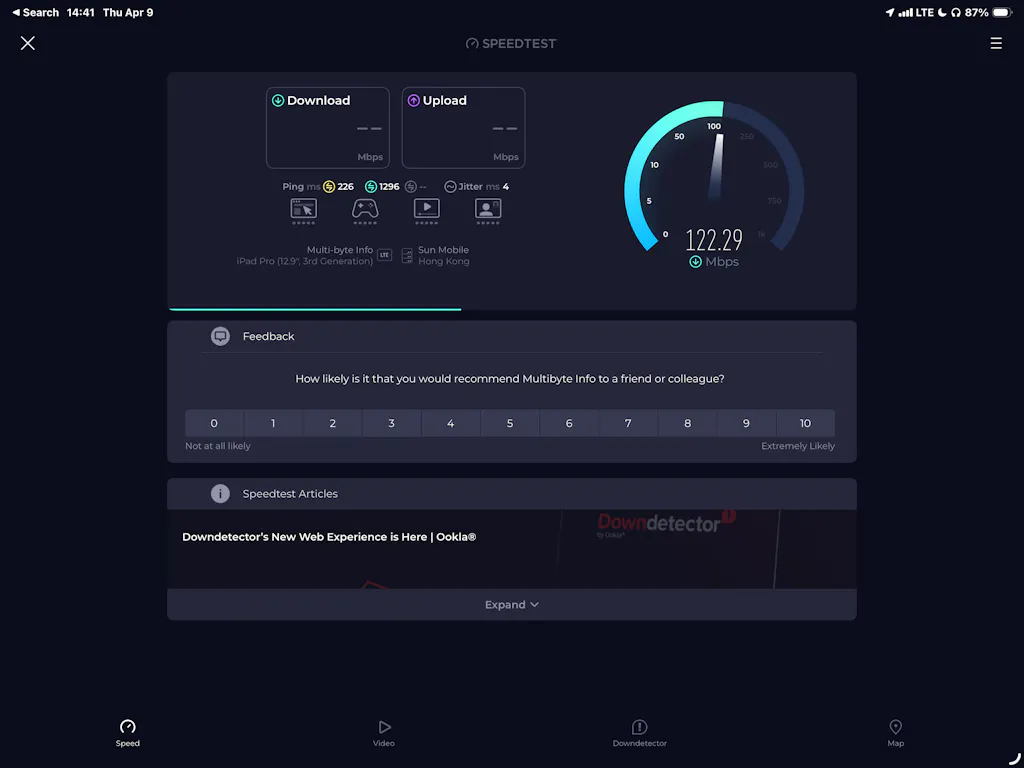
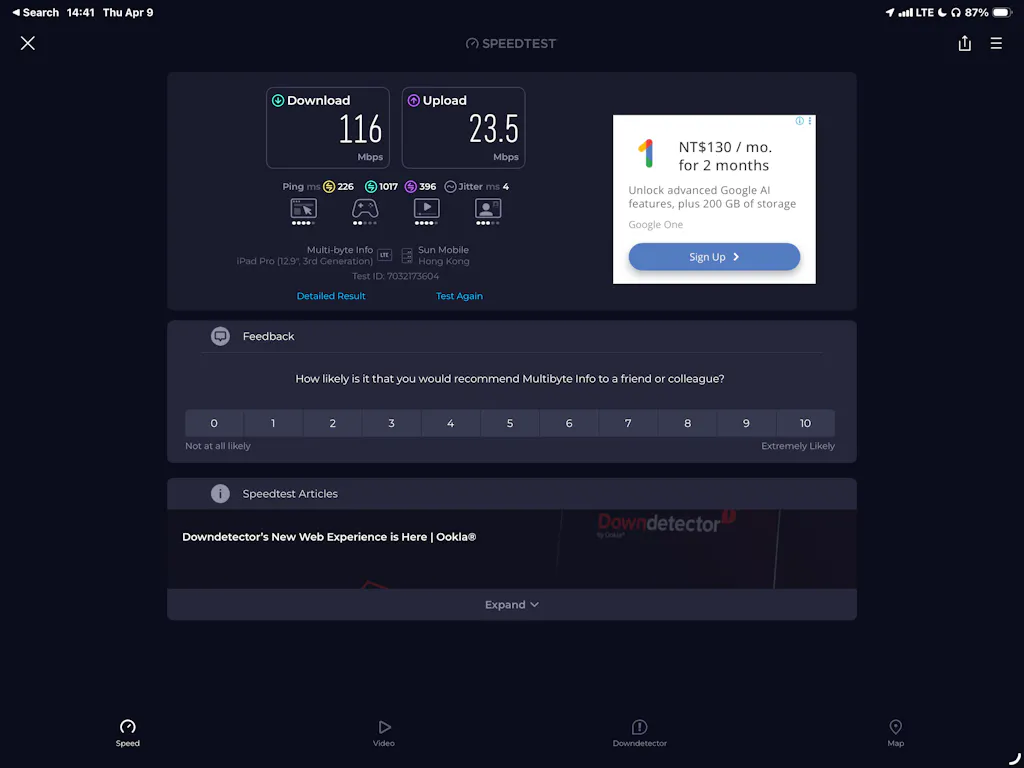
Run a quick test. Do a short speed check and then test real work tools. Open your work email, load a cloud file, and test a messaging app. If you use video tools, test audio and screen share.
-
Plan for backup options. Keep a Wi-Fi plan for emergencies. Even with reliable mobile data, a backup can save you if you are between areas with weaker signal.
-
Monitor usage during the day. If your plan includes usage indicators, keep an eye on them. Adjust by using Wi-Fi when available for large uploads or downloads.
These steps help you get the benefits of digital SIM profiles without surprises. The key idea is to treat mobile connectivity as part of your travel checklist, not an afterthought.

Mobile signal bars and laptop icons represent stability
Personal Experience
I learned the value of eSIM setup the hard way during a work trip. I arrived early, checked into my hotel, and joined a team call only to discover that my data plan was not ready for the new country. I had Wi-Fi, but it was limited and kept dropping when the call switched from chat to screen share.
After that day, I changed my routine. Now I install my eSIM profile before I travel. I also run a quick test within the first hour of arrival. That small habit makes a big difference because it gives me time to fix settings before my schedule fills up. If the internet is stable during the first meeting, the rest of the workday usually goes smoothly.
I also learned to choose a plan that matches my actual workload. When a trip includes multiple video meetings, I plan for more data. When the trip is lighter, I choose a smaller plan and rely on Wi-Fi for large downloads. This flexible approach helps me avoid paying for extra data I do not need.
Summary & Recommendations
To get the most from eSIMs for remote work, focus on three things: compatibility, coverage, and data fit. First, confirm your phone supports eSIM and set expectations based on your device. Second, select a plan that covers the places you will work, not just the destination you book for. Third, match your data amount to your real tasks, especially video calls and cloud uploads.
For many remote professionals, the best workflow looks like this: install the digital SIM profile early, activate at the correct time, and test your connection with real work tools. If you do these steps, you reduce downtime and you protect your productivity.
Recommendation checklist:
- Choose a plan that aligns with your work locations.
- Set your phone to use the eSIM for cellular data.
- Do a quick test before your first full meeting.
- Keep Wi-Fi as a backup for large downloads or uploads.
- Monitor usage and adjust your routine if needed.
For more plan ideas and destinations, you can compare options on UbeSIM United States package or explore region-focused choices like Ireland package. If you travel often, comparing multiple destinations helps you build a repeatable setup process for future trips.
Q&A Section
How do eSIMs for remote work help with travel setup?
A digital SIM profile can reduce the hassle of swapping physical cards. With the right plan, you can download and install the eSIM before you travel and activate it when you arrive. That means less waiting and fewer steps during your first hours in a new location.
What should I check before buying an eSIM data plan?
Check three areas: phone compatibility with eSIM, country coverage for where you will work, and data amount relative to your workload. If your schedule includes video calls, plan for higher usage. If you mainly use email and chat, you may need less data. Also review activation timing guidance so you do not waste active time.
Will my phone work for video calls and cloud tools on an eSIM?
In most cases, yes, because video calls and cloud tools rely on mobile data similar to a traditional cellular connection. Still, performance depends on network signal quality in the areas where you spend time. That is why you should test early and choose a plan that supports your expected locations.
What can I do if my eSIM connects but internet feels slow?
Start with basic checks: confirm the eSIM is selected for cellular data, restart the phone if needed, and try toggling airplane mode briefly. Then test again. If you are in a low-signal area, move to a different spot or switch to Wi-Fi for work-critical tasks until the connection improves.
About the Author
UbeSIM Expert Team
UbeSIM focuses on helping travelers and remote workers stay connected with simple data solutions. Our expertise includes eSIM readiness guidance, travel-friendly plan selection, and practical troubleshooting tips. We aim to make connectivity feel easy, even when schedules get busy. Thanks for reading, and we hope this helps you work with confidence wherever you go.
Disclaimer: Connectivity performance can vary by location, device settings, and network conditions. This article is for general guidance and does not guarantee uninterrupted service. Always review the specific terms of your chosen plan and follow the setup instructions provided with your eSIM profile.
The content in this blog post is intended for general information purposes only. It should not be considered as professional, medical, or legal advice. For specific guidance related to your situation, please consult a qualified professional. The store does not assume responsibility for any decisions made based on this information.
0 تعليقات