

Updated on: March 13, 2026
Traveling internationally no longer requires expensive roaming plans or hunting for local SIM cards. Global coverage eSIM technology delivers seamless connectivity across borders with instant activation and competitive rates. This guide explores how modern embedded SIM solutions work, compares them to traditional options, answers common questions, and provides actionable recommendations for choosing the right service for your needs.
Table of Contents
- Product Spotlight
- Myths vs. Facts
- Frequently Asked Questions
- Final Recommendations
- Q&A Section
- About the Author
Introduction
International travel planning has evolved significantly over the past decade. Whether you are backpacking through Southeast Asia, conducting business across multiple continents, or exploring European cities, staying connected is essential. Traditional approaches like purchasing local SIM cards or using expensive roaming packages often create frustration and unexpected charges. Global coverage eSIM solutions have transformed this landscape, offering travelers and digital nomads a modern alternative that combines convenience, affordability, and reliability.
This comprehensive guide explains everything you need to know about worldwide eSIM coverage, from understanding the technology to selecting the best plan for your specific travel patterns. By the end, you will have clear insights into how these services work and practical steps to implement them before your next journey.
Product Spotlight
Modern international eSIM services represent a significant advancement in mobile technology. These solutions eliminate the need for physical SIM cards while providing instant access to local networks in over one hundred ninety countries and regions worldwide. The technology works by storing network credentials digitally on your device's embedded chip, allowing you to switch providers without changing hardware.
Leading eSIM providers offer several compelling advantages. Activation happens within minutes through a simple app or QR code scan. Users can compare data plans, check coverage maps, and purchase connectivity without visiting a store or waiting for mail delivery. Many services provide real-time data usage monitoring, automatic top-ups, and customer support across multiple languages and time zones. Turkey packages and United States packages exemplify how regional options cater to specific traveler needs with localized pricing and data allowances.
The flexibility extends to plan duration. Travelers can purchase daily passes for short trips, weekly plans for regional exploration, or monthly subscriptions for extended stays. This granular approach ensures you pay only for what you actually need, avoiding wasteful expenses on unused data or unnecessary coverage days.

Digital connectivity spanning continents with seamless network switching across borders.
Device compatibility has become nearly universal. Most smartphones manufactured after 2018 support eSIM technology, including flagship models from major manufacturers. Tablets and smartwatches can also leverage these services, creating connected ecosystems for modern travelers. Before purchasing, checking your specific device model ensures compatibility and smooth activation.
Myths vs. Facts
Myth: eSIM Services Only Work in Major Cities
Fact: Contemporary eSIM networks extend coverage to rural areas, islands, and remote regions across supported countries. While network density may vary, coverage maps provided by eSIM operators clearly show available areas, allowing informed decisions before travel. Many services provide coverage in locations where traditional international roaming remains unavailable or prohibitively expensive.
Myth: Switching Between Plans Causes Data Loss
Fact: eSIM technology allows seamless profile switching without losing existing data or resetting your device. You can maintain multiple eSIM profiles simultaneously and switch between them instantly. This enables practical scenarios like keeping a home country profile active while adding a travel profile for your destination.
Myth: eSIM Plans Are Always More Expensive Than Local SIM Cards
Fact: Price comparisons often favor eSIM solutions, especially when factoring in convenience, activation time, and contract-free flexibility. While individual data rates might appear similar, eSIM providers often include additional services, customer support, and transparent billing that local SIM vendors do not offer. For business travelers and digital nomads, the time saved justifies any minor cost difference.
Myth: You Lose Your Primary Phone Number When Using eSIM
Fact: Dual eSIM capable devices allow simultaneous active profiles. You can maintain your primary number for calls and messages while using a second eSIM profile purely for data connectivity. This dual-profile approach keeps you reachable on your regular number while enjoying local data rates in your destination.

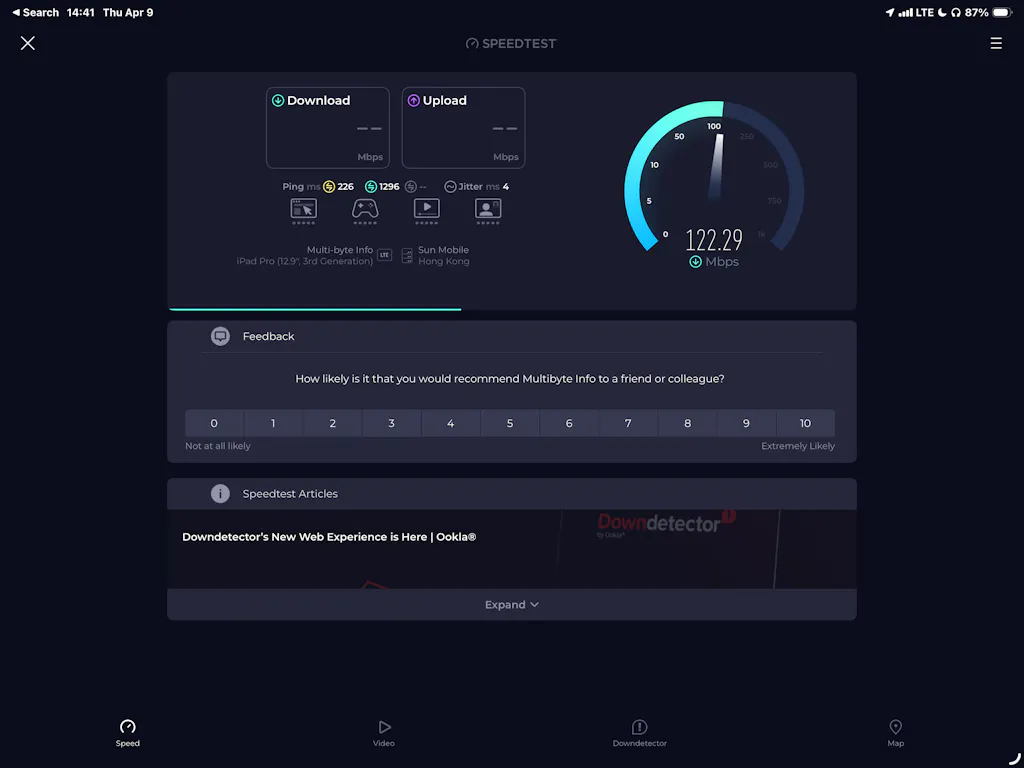
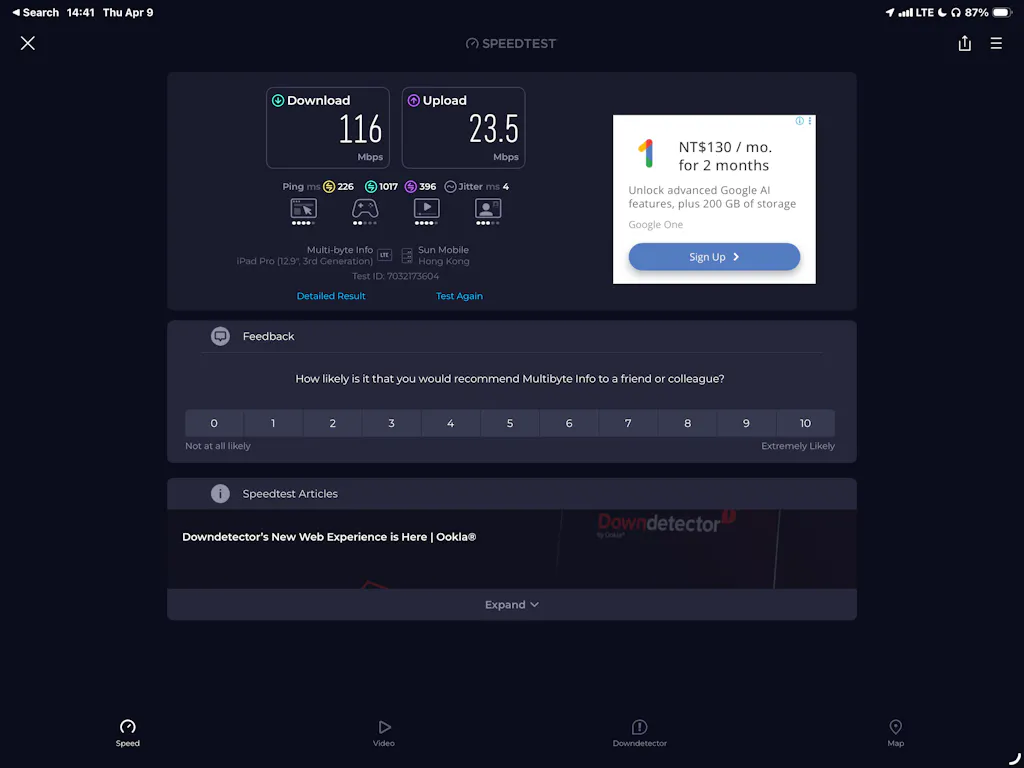
Reliable network signals maintaining consistent speed across multiple international destinations.
Frequently Asked Questions
What Is the Main Advantage of eSIM Over Traditional SIM Cards?
The primary advantage is instant activation without physical hardware swaps. Traditional SIM cards require finding retailers, waiting for shipping, or risking compatibility issues with unfamiliar devices. eSIM services activate within minutes using your existing smartphone, making them ideal for spontaneous travel or last-minute itinerary changes. Additionally, managing multiple eSIM profiles on one device offers flexibility that physical SIM cards cannot match.
Can I Use eSIM in Countries Without Local eSIM Providers?
Most international eSIM operators provide coverage through roaming agreements with local carriers in their supported regions. When you arrive in a destination, your eSIM automatically connects to the strongest available network partner. The service covers over one hundred ninety countries and territories, with continuous expansion. Checking the provider's coverage map before travel confirms availability in your specific destinations.
How Do I Know Which Plan Suits My Data Needs?
Assess your travel duration, planned activities, and connectivity requirements. Light users checking email and messaging might need just two to five gigabytes weekly. Video streaming and social media enthusiasts should consider ten gigabytes or unlimited plans. Most providers offer flexible daily, weekly, and monthly options, allowing adjustments as your trip progresses. Compare plans using provided data calculators and coverage maps to find optimal value.
What Happens If My Data Runs Out During Travel?
Most services allow instant top-ups through their mobile app without interrupting your connectivity. You can purchase additional data immediately, often within seconds. Some plans include automatic recharge features that add data when thresholds are reached, preventing unexpected disconnection. Always maintain a backup payment method and sufficient account funds for uninterrupted service.
Are eSIM Plans Safe and Secure?
eSIM connections utilize the same encryption and security protocols as traditional SIM cards. Reputable providers implement multi-factor authentication, encrypted data transmission, and robust privacy policies. However, travelers should still follow basic security practices like using virtual private networks on public WiFi, avoiding suspicious links, and keeping their device software updated. eSIM technology itself does not introduce additional security vulnerabilities beyond standard mobile connectivity.
Final Recommendations
Based on comprehensive analysis of global eSIM services, several clear recommendations emerge for travelers seeking reliable international connectivity.
Plan Selection Strategy: Start by mapping your exact travel itinerary and identifying all countries you will visit. Cross-reference this list with coverage maps to confirm service availability. Choose plans that align with your data usage patterns rather than selecting the highest tier defensively. Regional multi-country packages often provide better value than single-country subscriptions for travelers visiting multiple nations.
Advance Preparation: Verify your device supports eSIM technology at least two weeks before travel. Download your chosen provider's application and set up your account with valid payment information. Consider purchasing your eSIM profile before departure while on your home WiFi, ensuring seamless activation upon arrival. This approach eliminates dependency on airport WiFi or roaming charges during initial setup.
Destination-Specific Choices: Different regions benefit from tailored approaches. China packages require specific compatibility considerations due to network infrastructure. Japan packages offer excellent coverage and reliable speed. Singapore packages provide dependable service for Southeast Asian hub travelers.
Backup Connectivity: Even with excellent global coverage eSIM service, maintain backup options. Identify cafes, hotels, or public spaces offering free WiFi. Exchange contact information with travel companions before entering connectivity dead zones. Consider purchasing a small portable power bank to extend your device battery during critical communication periods.
Continuous Monitoring: Track your data usage weekly using the provider's application. Adjust your plan or purchase top-ups proactively rather than waiting until disconnection occurs. Monitor billing charges against your initial quote to identify any unexpected fees or currency conversion surprises.
Q&A Section
How Quickly Can I Activate My eSIM Profile After Purchase?
Most eSIM services activate within five to fifteen minutes after purchase and profile confirmation. Simply scan the provided QR code or enter the activation code in your device settings, and your profile installs automatically. Some providers offer instant digital activation, while others may require fifteen to thirty minutes for network provisioning. Always allow extra time before arriving at your destination to ensure successful activation without time pressure or airport stress.
Can Business Travelers Manage Multiple eSIM Profiles Simultaneously?
Yes, most modern smartphones support up to two active eSIM profiles simultaneously, allowing you to maintain separate business and personal connectivity. This capability enables business travelers to keep their primary corporate number active for critical communications while using a local data eSIM for cost-effective internet access. Some devices support even more profiles, though only two remain simultaneously active. This feature significantly benefits consultants, remote workers, and executives requiring constant accessibility across multiple lines.
What Customer Support Options Are Available If I Experience Connection Issues?
Reputable eSIM providers offer twenty-four hour customer support through multiple channels including live chat, email, and phone lines. Support teams typically handle issues such as slow speeds, intermittent connectivity, or activation problems within minutes. Many providers maintain comprehensive knowledge bases and troubleshooting guides accessible through their mobile applications. Premium plans often include dedicated support lines with shorter wait times, beneficial for travelers relying on connectivity for work or urgent communications.
How Do eSIM Prices Compare to Traditional Mobile Roaming Plans?
eSIM pricing typically undercuts international roaming by thirty to seventy percent depending on data volume and destination. Traditional roaming packages often charge between three and twelve dollars per gigabyte, while quality eSIM providers deliver data at fifty cents to three dollars per gigabyte. Monthly unlimited plans through eSIM providers frequently cost fifteen to forty dollars, substantially below traditional roaming costs. The savings multiply across extended trips or frequent international travel, justifying the switch from legacy connectivity options.
What Happens to My eSIM Profile If I Switch Phones?
eSIM profiles are stored digitally in the phone's chip and transfer when you switch devices. Most providers allow profile transfer without purchasing new plans. Simply re-download your profile to your new device using your account credentials, and your connectivity resumes with remaining data intact. Some providers may require contacting customer support for profile transfer, a process typically completed within minutes. This portability ensures you maintain seamless service when upgrading devices without losing active subscriptions or prepaid data.
About the Author
Meet Your International Connectivity Expert
This article was created by the UbeSIM team, specialists in global mobile solutions and international eSIM services. With years of experience helping travelers, digital nomads, and business professionals stay connected across borders, our team understands the unique challenges of modern international travel. We are passionate about simplifying global connectivity and empowering travelers with transparent information, competitive pricing, and reliable service. Whether you are planning your first international adventure or managing complex multi-country business operations, UbeSIM remains committed to delivering seamless connectivity solutions that enhance your journey without complications or surprises.
0 تعليقات